AI Productivity Revolution and Uncertainty
Four years ago, I was preparing for graduate school. At that time, I was very interested in image and video processing, so I initially wanted to study computer vision. Later, I discovered that traditional CV had become a sunset industry, completely outclassed by deep learning, so I simply chose Artificial Intelligence instead.
Back then, I was just skimming through concepts. I never expected that in less than two years, AI would completely explode. In March 2023, GPT-4 was released, shocking the entire world. This year, AI has gone even further, starting to genuinely transform how many industries work and how many people live.
As a programmer and illustration enthusiast, I felt the impact from both directions almost simultaneously. On one hand, there’s excitement from the massive efficiency gains; on the other hand, there’s growing confusion that has evolved into an existential crisis. This isn’t some light anxiety—it’s suddenly realizing that the very foundation you’ve built your life on is being rewritten, and it’s happening very fast.
Illustration: From Years of Practice to Typing a Sentence
Original artists were probably among the first to be impacted. When Stable Diffusion first appeared, the artist community fiercely resisted. What’s terrifying is that their voices faded away soon after. It wasn’t that they compromised—AI-generated work was just too good, too fast. So fast that many debates became obsolete before they could even happen.
Afterward, some original artists began embracing AI as an assistive tool, while a flood of newcomers entered the field, joining the creative process with lower barriers and higher output.
The barrier to creation kept dropping—from years of learning and practice, to buying a good graphics card and tinkering for a few days, to now just opening a webpage, typing your idea, and waiting a few seconds. Taking it further, the path from illustration to animation to video is being rapidly connected. In some sense, “everyone is an artist” is no longer an exaggeration but more like reality unfolding before our eyes.
Programming: From Code Completion to Taking Over Projects
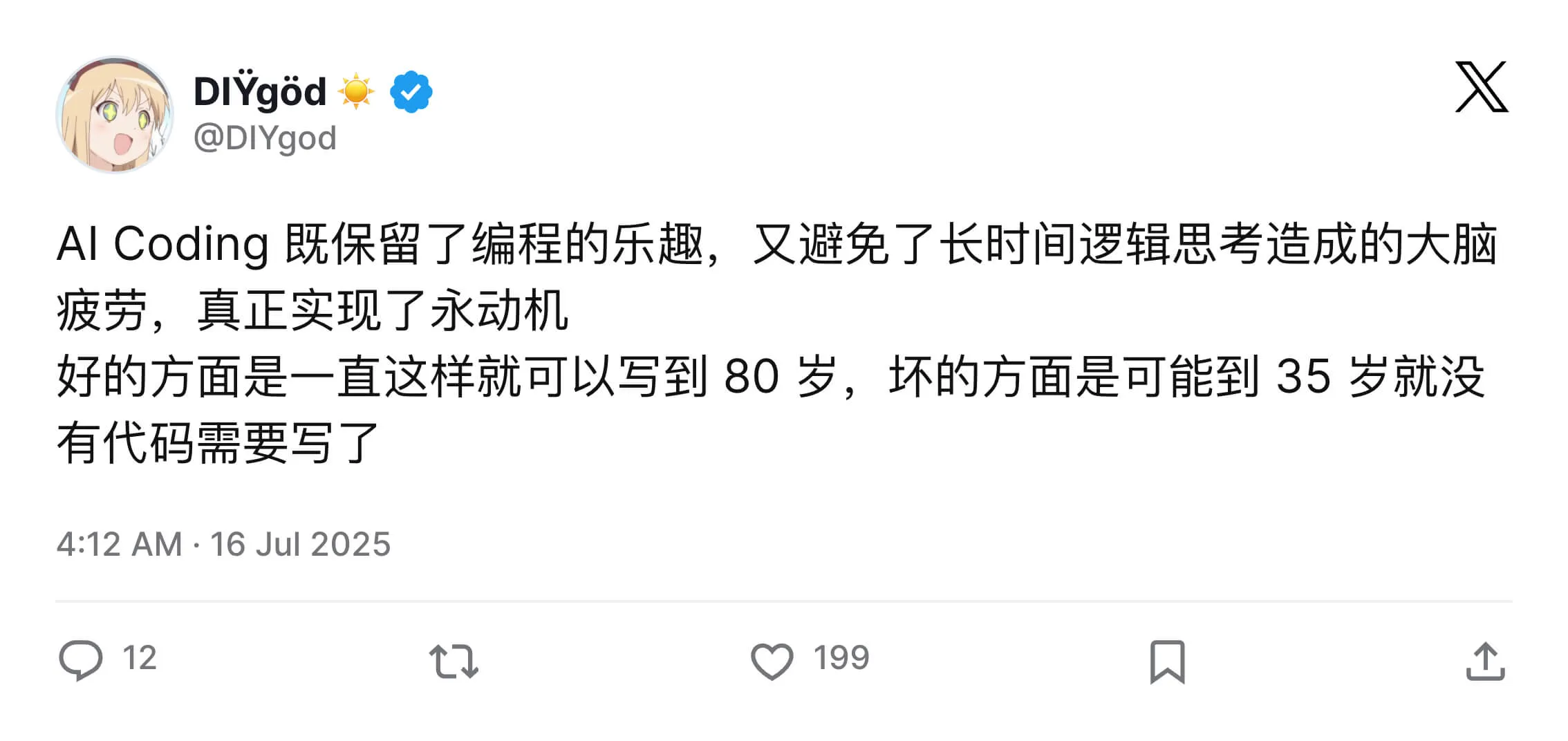
The changes on the programmer side might lead to the same outcome, just less immediate and intuitive. In 2022, people were still using GitHub Copilot for auto-completion. This year, specialized AI coding models and vibe coding tools have emerged one after another. In many cases, you describe your requirements in natural language, and AI writes code, modifies code, fixes bugs, adds tests, and can even produce a complete project.
For programmers, vibe coding can multiply productivity several times over. For non-programmers, coding is no longer an exclusive skill for programmers. More and more people can create polished applications without writing a single line of code, solving their real needs. Programming is transforming from a professional skill into a form of expression that everyone can engage with.
As a result, how programmers work is being rewritten. The traditional “code craftsman” who writes code by hand will become increasingly rare. Many areas will be replaced by AI, just like traditional CV was. I’m also writing less and less code by hand, growing accustomed to communicating with the AI that’s always within reach on the right side of my editor. It completes tasks quickly and well, and keeps getting better—from tool to assistant, to something that almost feels like it’s replacing my own self.
The most painful part of this replacement is that it’s not just replacing manual labor. It’s replacing judgment, patterns, experience, and proficiency. It’s also replacing the learning speed I used to be proud of. The knowledge I’ve acquired is depreciating. The experience I’ve accumulated is depreciating. The skills I possess are depreciating. Even intelligence and creativity are depreciating, and the depreciation rate seems far higher than my growth rate. After programmer positions truly disappear, where will my value lie?
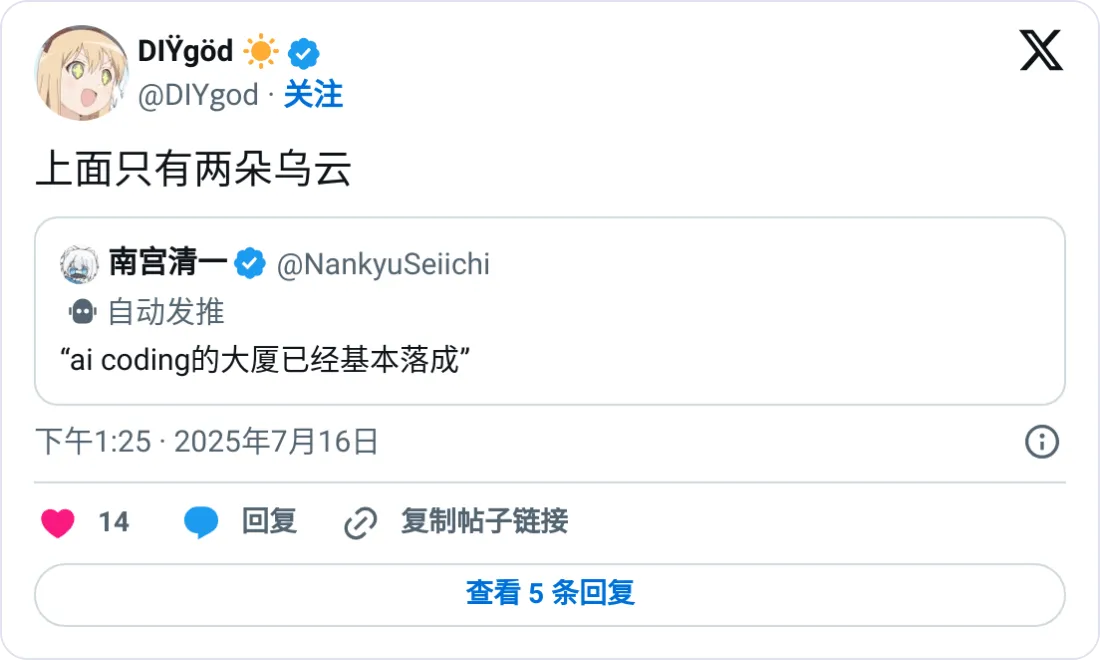
But clearly, programmers cannot be completely replaced right now. Perhaps AI will hit a wall at some point, like Moore’s Law. What I can do now is harness this force well, actively participate in this productivity revolution, and hopefully find my place and irreplaceable unique value within it.
Welcoming New Life
No matter how AI develops, the process of carbon-based life giving birth to new life cannot be replaced by silicon-based life in the foreseeable future.
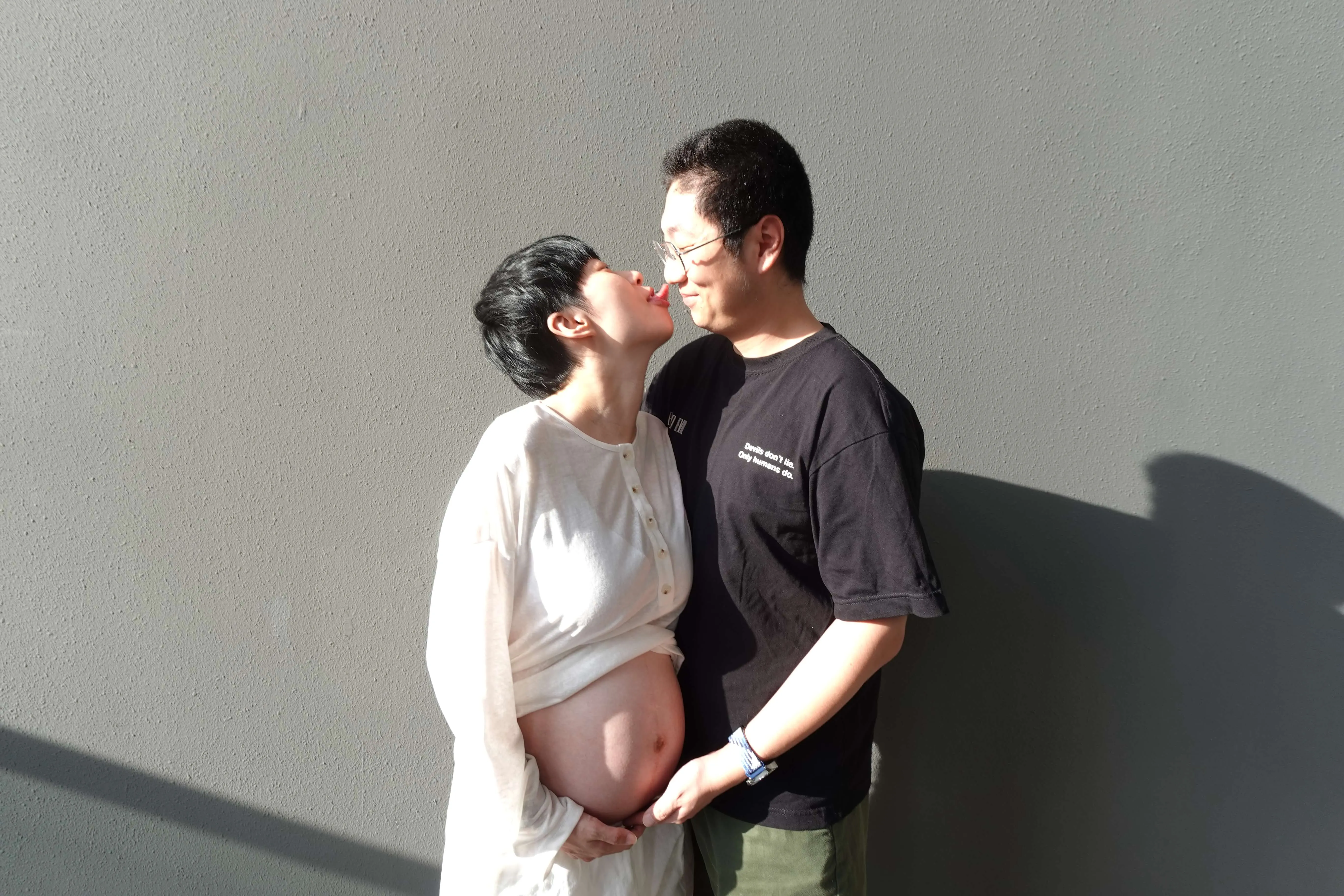
The moment I learned that my childhood friend (my wife) was pregnant, I mostly felt at a loss. But from that moment on, many psychological changes and lifestyle habits quietly started revolving around this soon-to-arrive new life.
My wife’s pregnancy was long and grueling. Early on, morning sickness was overwhelming, her sense of smell became extremely sensitive, normally tolerable odors became unbearable, foods she loved couldn’t be eaten, and hormones made emotional swings more pronounced. The middle period was better, but toward the end, her belly grew larger and larger, bringing back pain, declining sleep quality, and difficulty moving—even walking became a problem. Yet she showed remarkable resilience and optimism, enduring these challenges while keeping prenatal checkups, birth preparations, and childcare arrangements well organized.
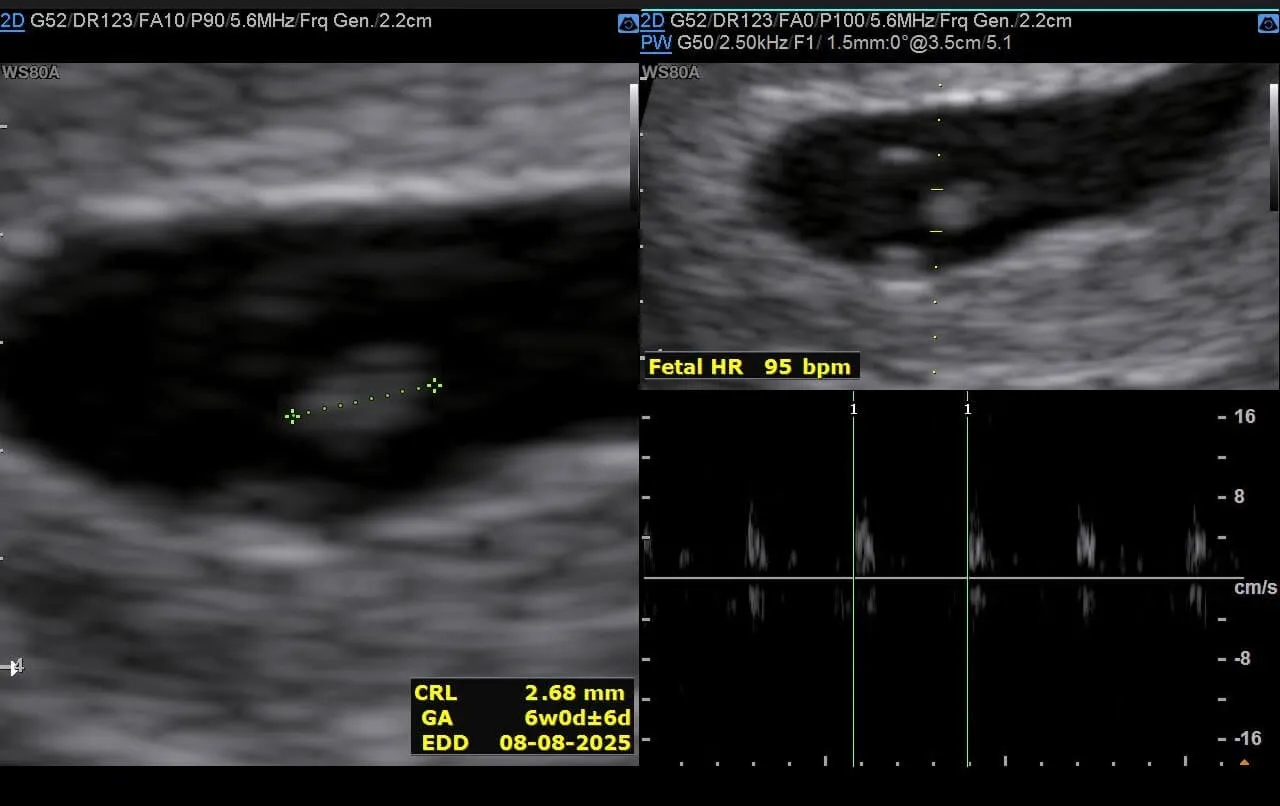
Meanwhile, I witnessed firsthand how life takes shape bit by bit: starting from a 2mm, blurry little dot—
Gradually taking human form—
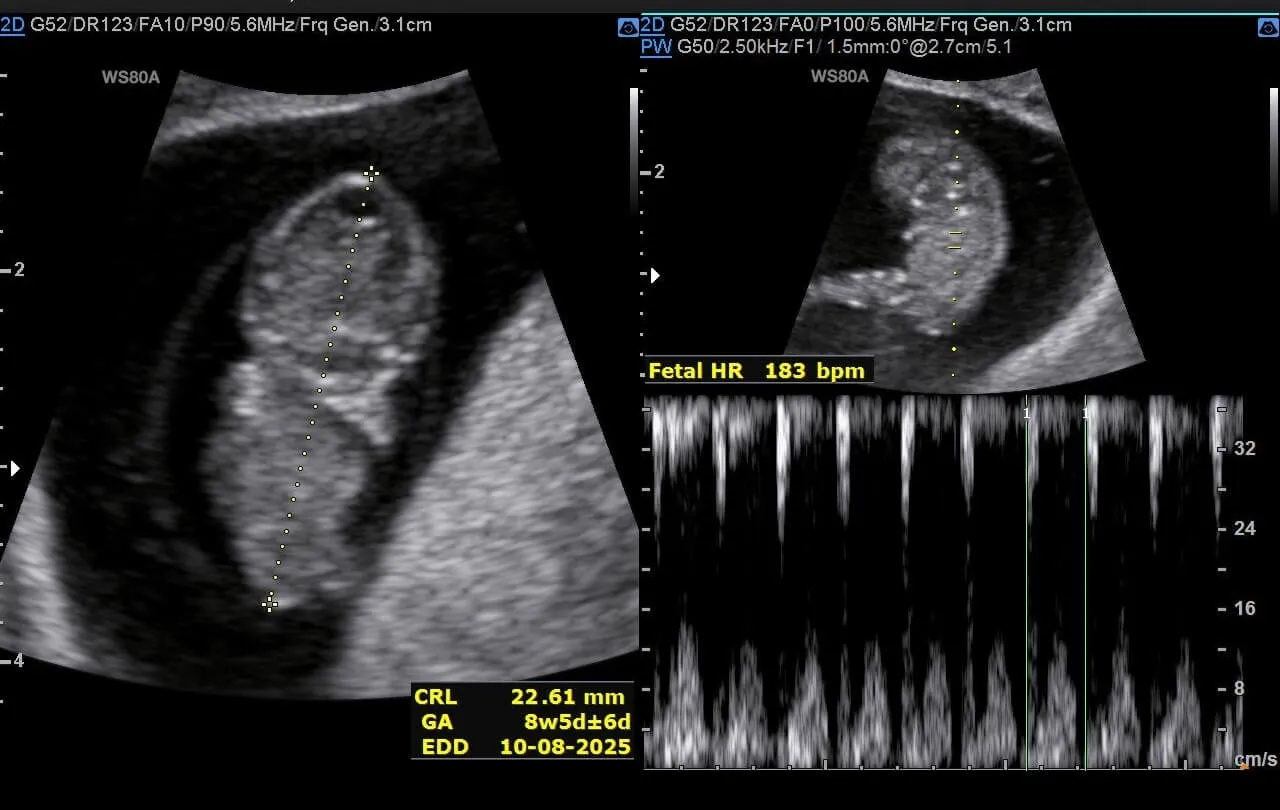
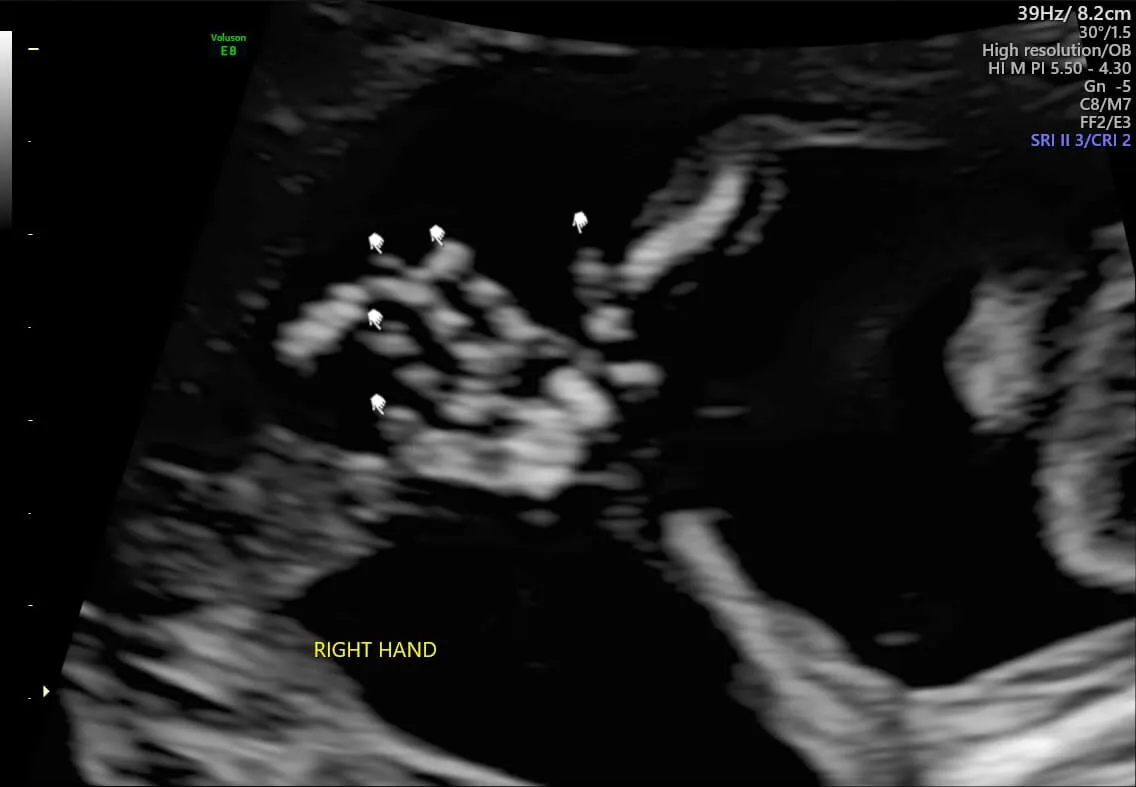
Until limbs and facial features became clearly visible, moving around in the belly, hiccupping, doing gymnastics. Over those months, I constantly marveled at and felt reverence for the miracle of life. Carbon-based life scores a point back!
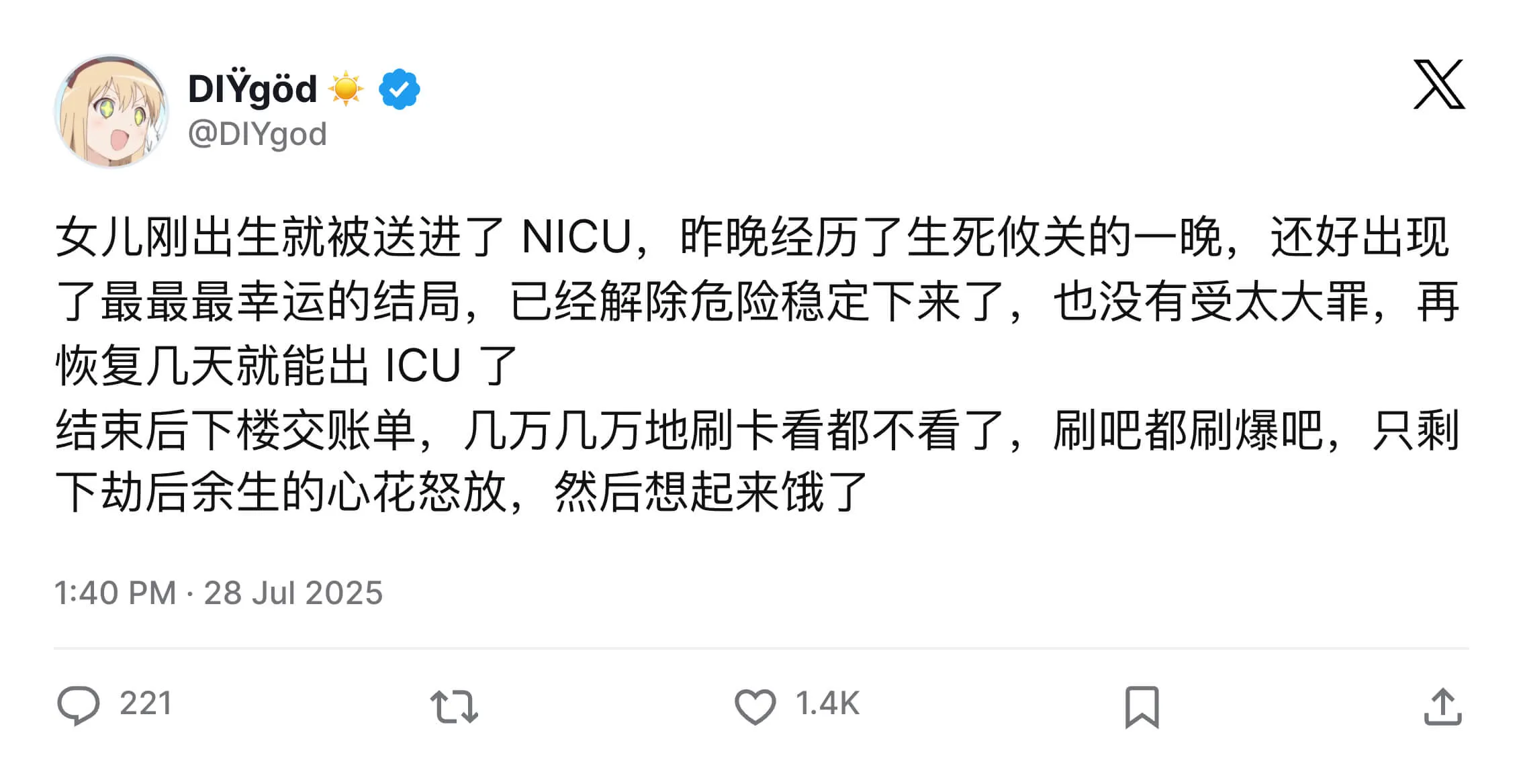
Finally, on the evening of July 27th, Haha (my daughter) was born. Before I could catch my breath, we were told her blood oxygen kept dropping, and she was urgently transferred to the NICU for observation and treatment.
At that moment, my wife was barely conscious after major surgery on one side, while our newborn Haha’s life hung in the balance on the other. That night was probably the darkest moment of my life. I discovered that all the judgment, problem-solving abilities, and even optimism I usually possessed were completely useless at such a time. The only thing I could do was wait—wait for good news that wasn’t guaranteed to come.
Fortunately, after several days of treatment, Haha was out of danger. It was a close call, but she was discharged and came home.
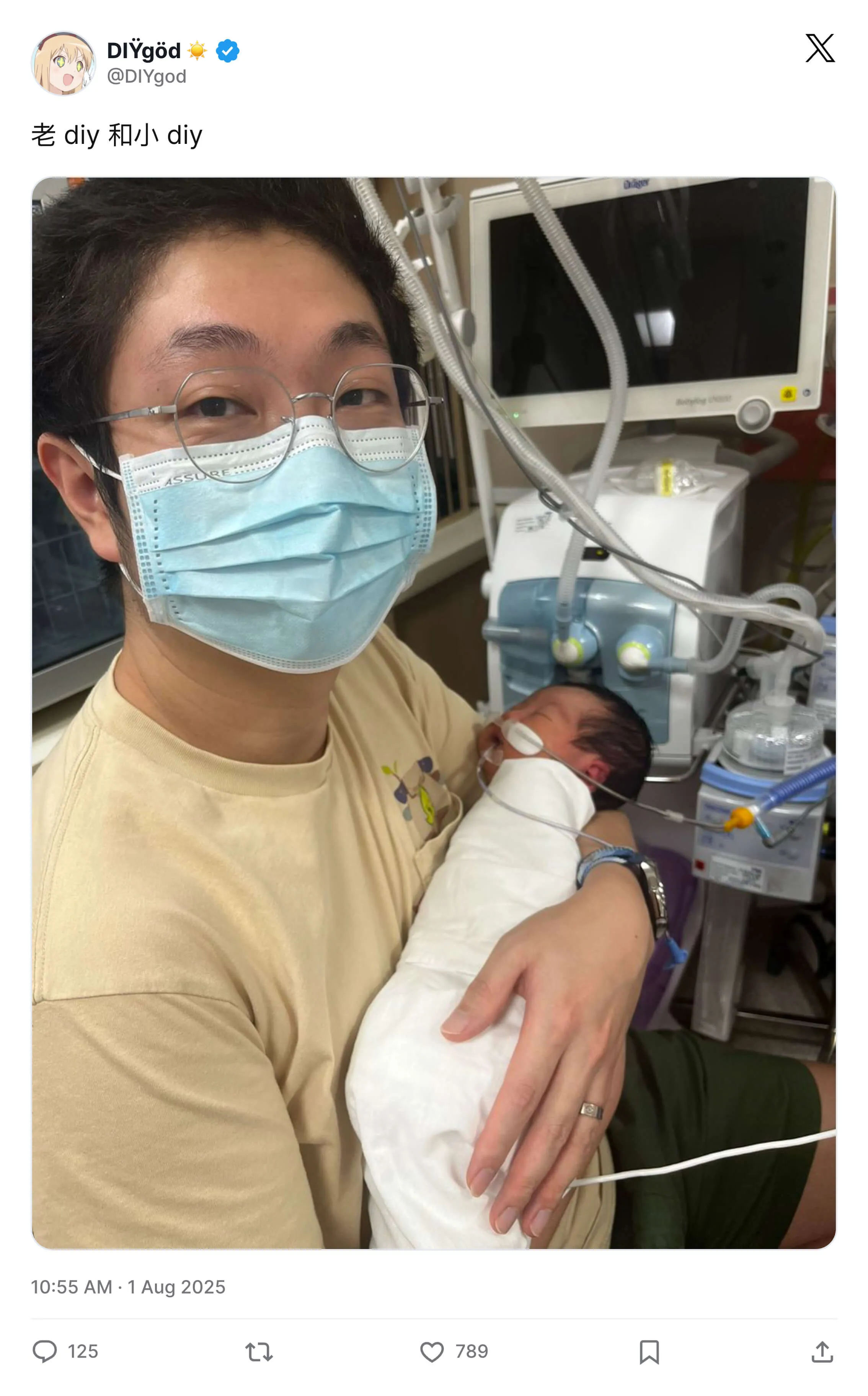

After the NICU experience, life became smoother. At home, my wife and our helper take care of Haha. She grows every day, learning to grab things, roll over, developing emotions, and recognizing people. She’s also genuinely adorable—every time we take her out for a stroll, passersby come over to compliment her.
As a new dad, of course I get tired, but more than that, there’s a very grounded sense of happiness. It doesn’t need to be proven or explained—it just becomes very certain the moment you pick her up.
Making Money

As everyone knows, a child is a four-legged money-devouring beast. Before even leaving the hospital, she had already devoured S$100,000. This very vividly refreshed my understanding of reality.
As I mentioned, after my wife got pregnant, many things in my mindset changed. The most significant was the change in my attitude toward money.
Before, of course I wanted to make money, but overall I was content with just enough. Money felt more like a means to pursue hobbies and maintain life, not the ultimate goal, so I was relatively lazy about making money. For example, when choosing jobs before, I would unhesitatingly give up double the salary at Binance for the more hobby-aligned Bilibili. Or four years ago during the Web3 bull market when money was practically lying on the ground, I remained unmoved. This also led to my being quite unsuccessful in personal finance.
Now this change feels like sliding from indifference straight into overcompensation. I started caring more about security, and I more easily tie security to money. Money’s priority in my life has been significantly elevated. I’ve also become more clearly aware that the confidence behind many choices ultimately comes from cash flow and risk tolerance.
This year I started investing more actively in cryptocurrency. I entered Web3 four years ago but only started actively buying crypto last year—that in itself is quite remarkable. The process was very bumpy. At one point I lost a lot of money, but I also bought many lessons. Fortunately, the final result was okay, and those lessons are even more valuable than the interim gains.
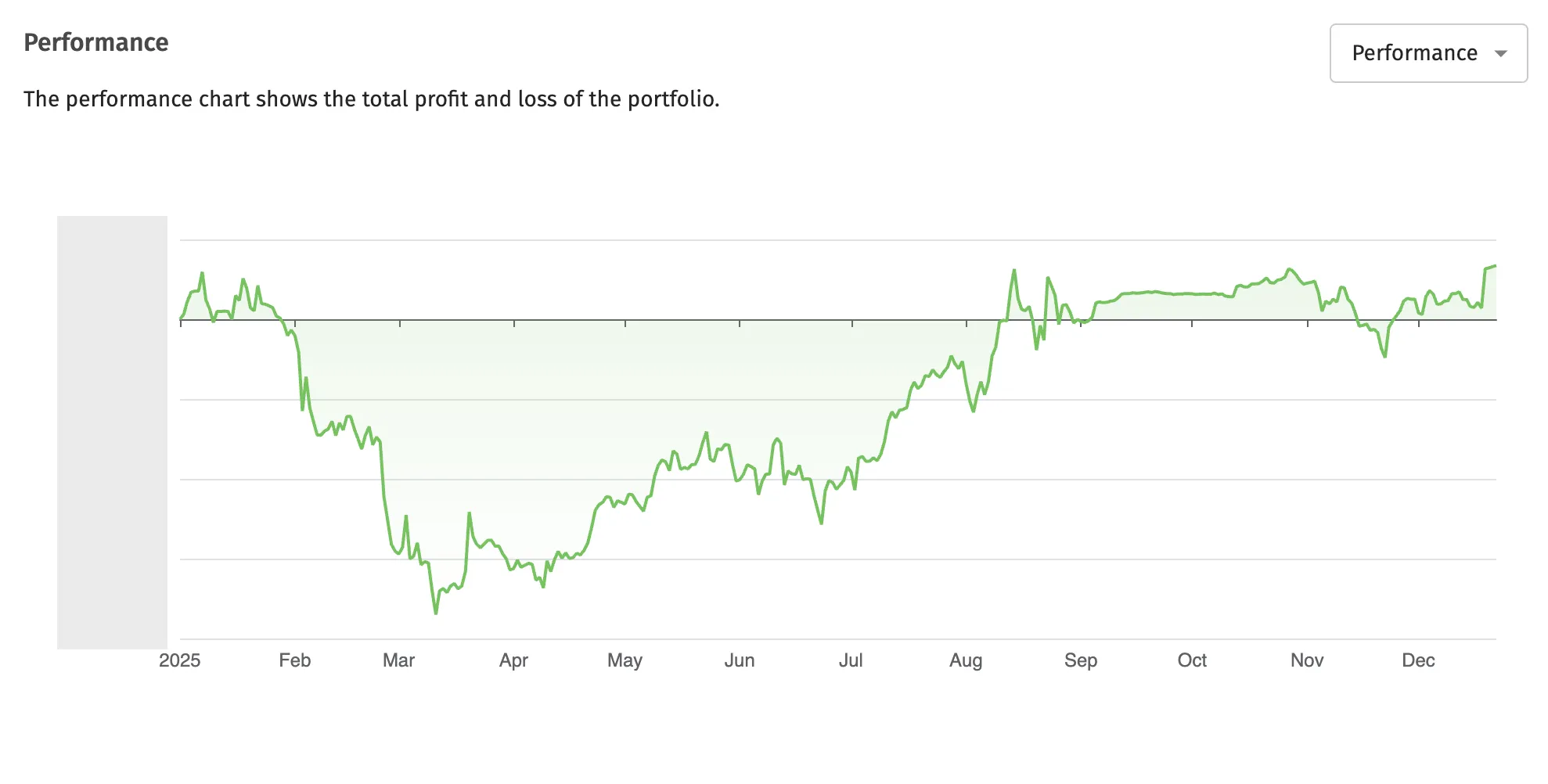
This year’s return curve (implementation method: see Ancient Artifact Beancount: The Ultimate Double-Entry Bookkeeping Solution for the Crypto & AI Era):
From Gut Feeling to Having a System
My investment journey can be roughly divided into two phases, with March as the dividing line.
Before March, I knew almost nothing about strategies or candlestick charts, used no analysis tools, and basically bought and sold based on gut feeling and emotion—like a form of dollar-cost averaging where I’d sell some when it dropped, sell some when it rose. Because the market was generally trending up and volatility wasn’t too wild, even buying blindly produced decent returns, which even made me a bit complacent.
But the scariest thing about gambling is when it gives you a little sweetness at the beginning.
Later, during the February tariff war that caused market panic and a major crash, I suffered heavy losses. My mental journey went something like this: During the first leg down, I thought it was an excellent buying opportunity and put almost all my savings into buying the dip. When the market continued to fall, I started to panic but still wanted to hold on, refusing to cut losses. During the third, more violent drop, I completely collapsed and panic-sold all my positions. Result: bought at the high, sold at the absolute low, and the market quickly rebounded.
Looking back now, one thing I did slightly right was being timid enough not to use leverage—otherwise it would have been worse. But I made a pile of classic mistakes: no strategy, controlled by emotions, large position buying the dip, no position management, chasing rallies and panic selling…
After March, I started systematically learning analysis methods and tools. I began setting stop-losses and take-profits, controlling positions, controlling emotions, no longer blindly buying dips or panic selling. Gradually I built a more sustainable trading system. I made back what I lost and earned more on top. By the October 11 flash crash, or the end-of-year bull market tail, these drops were even more severe than February, but I didn’t lose significant money again.
Tools and Strategies
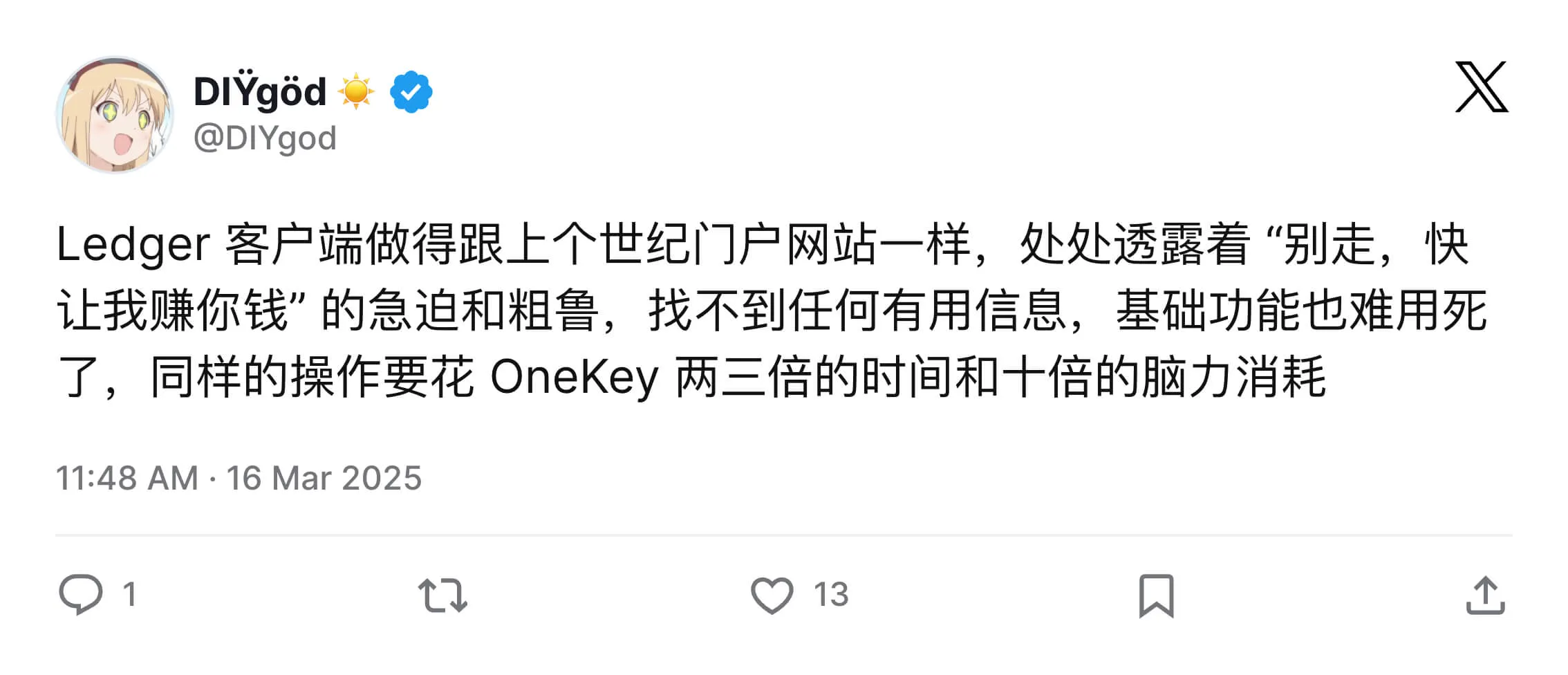
For trading platforms, I mainly use OKX—low fees, and using Simple Earn and occasional Flash Trade for some low-risk returns is nice. For market analysis, I mainly use TradingView—powerful features and rich indicators. For cold wallets, I use OneKey—popular cold wallets all have adequate security, but OneKey’s user experience is leagues ahead for me.
As for strategy, I’m now more like constantly adding guardrails for myself rather than chasing some magical holy grail. I remind myself that no matter how confident I am at any moment, the market could go up, could go down, but might also go sideways. I reasonably allocate and frequently review the ratio of cash, coin holdings, and risk investments. I’d rather earn less money than touch things I don’t understand or that haven’t been thoroughly vetted. I have patience, understand that slow is fast, and survival is most important—so now I basically only trade BTC and ETH.

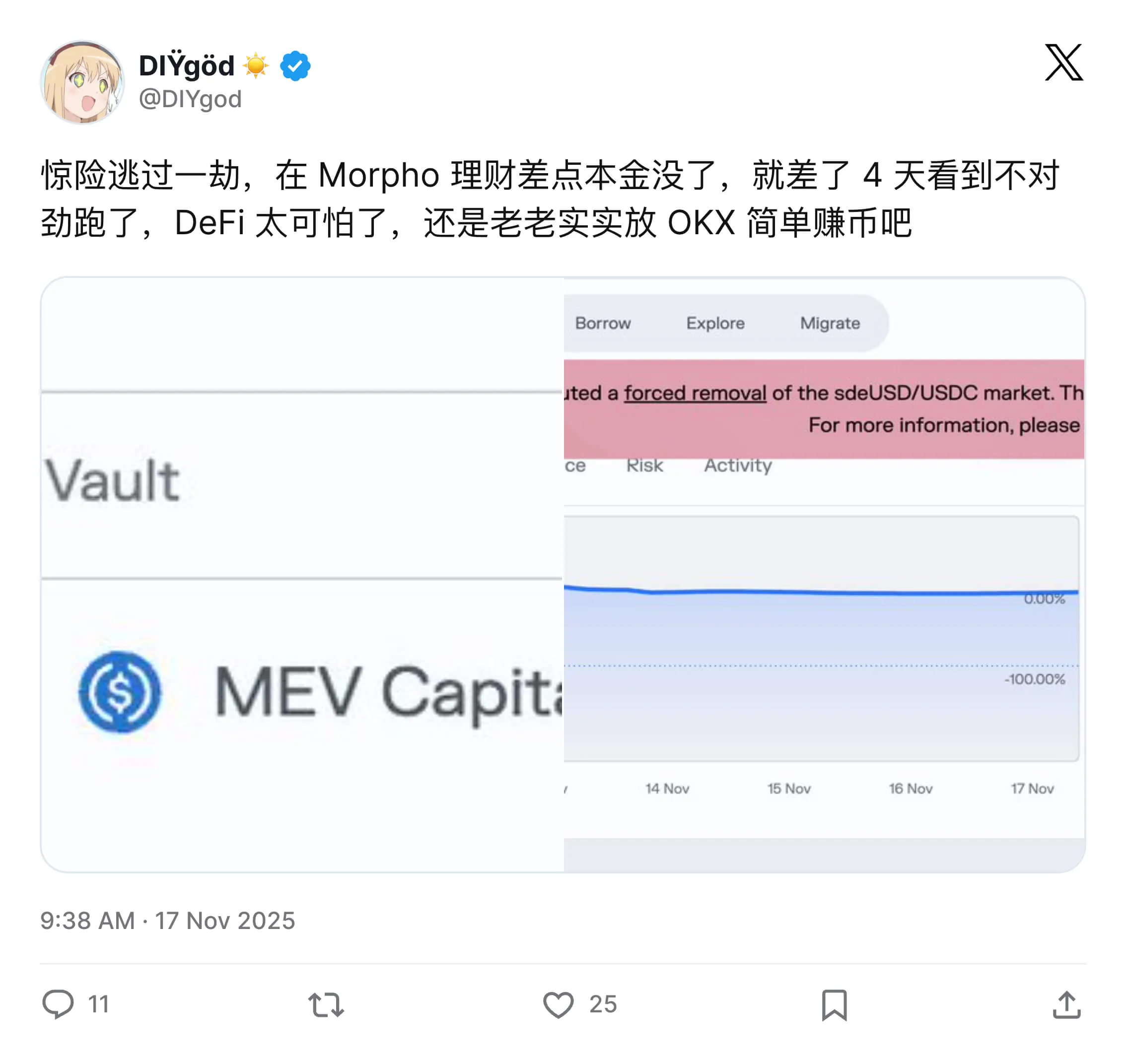
I also strictly control leverage—mostly 1x, never exceeding 3x. Stop-losses must be clear. I’m willing to admit mistakes and don’t hold losing positions. I try to avoid DeFi because when you don’t know where the yield comes from, you are the yield.
For manual trading, I only look at 4-hour or longer timeframes for medium-to-long-term trades. Short-term trading is left to automated strategies to minimize the influence of short-term emotions.
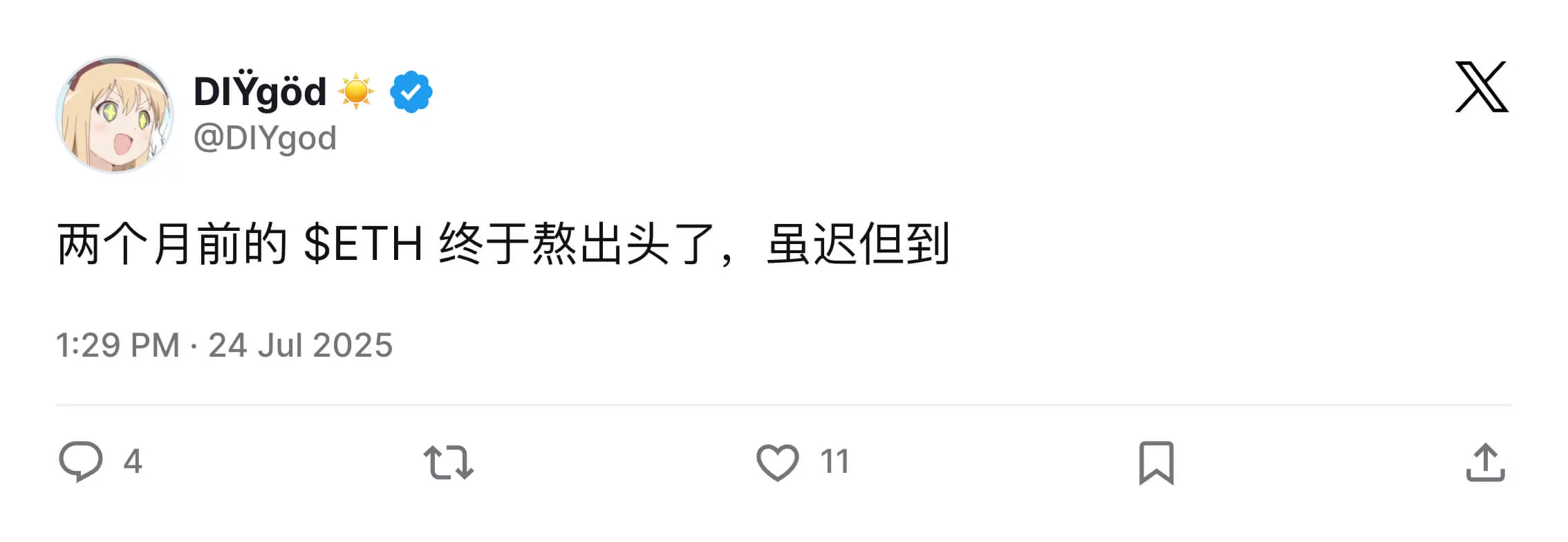
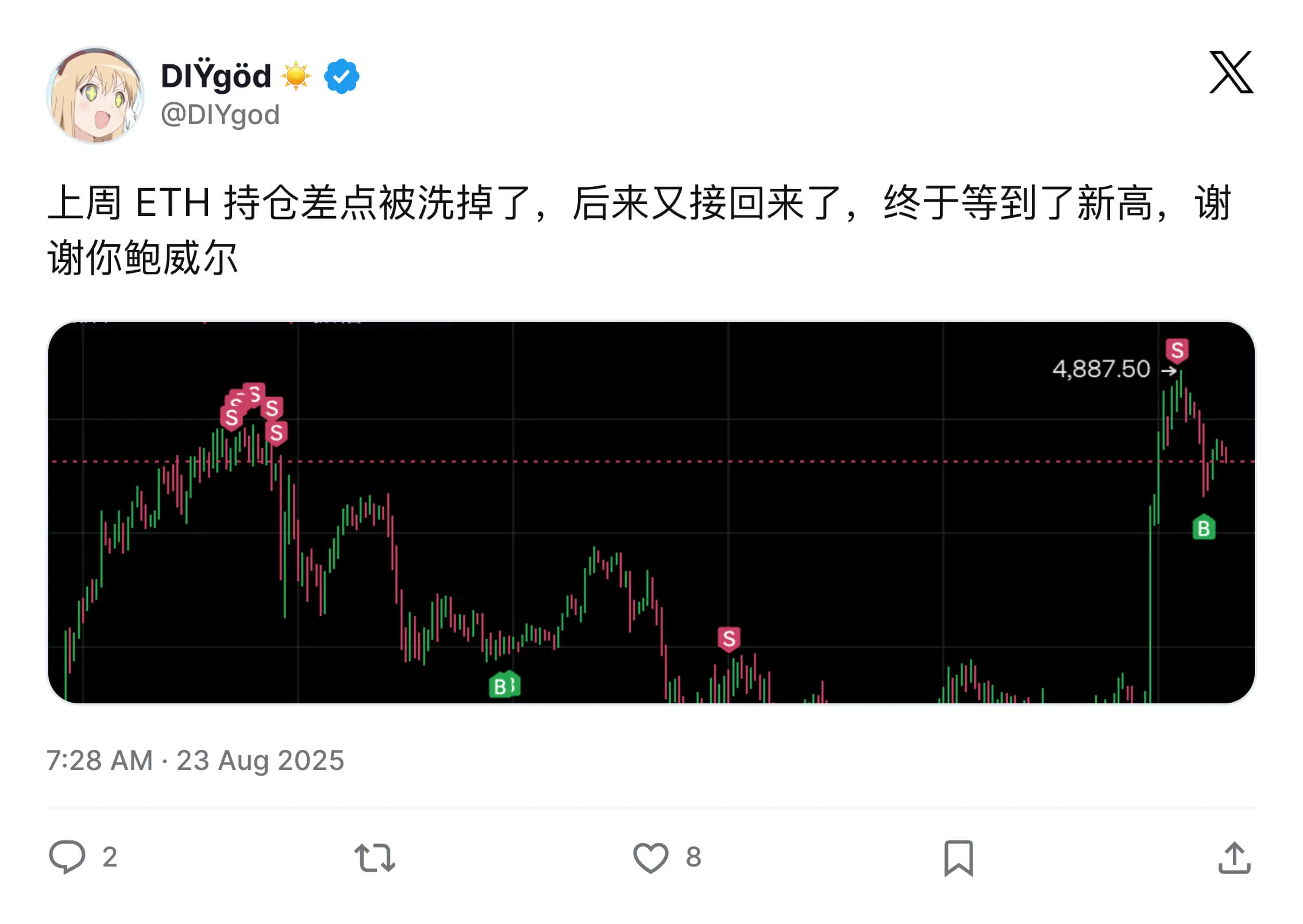
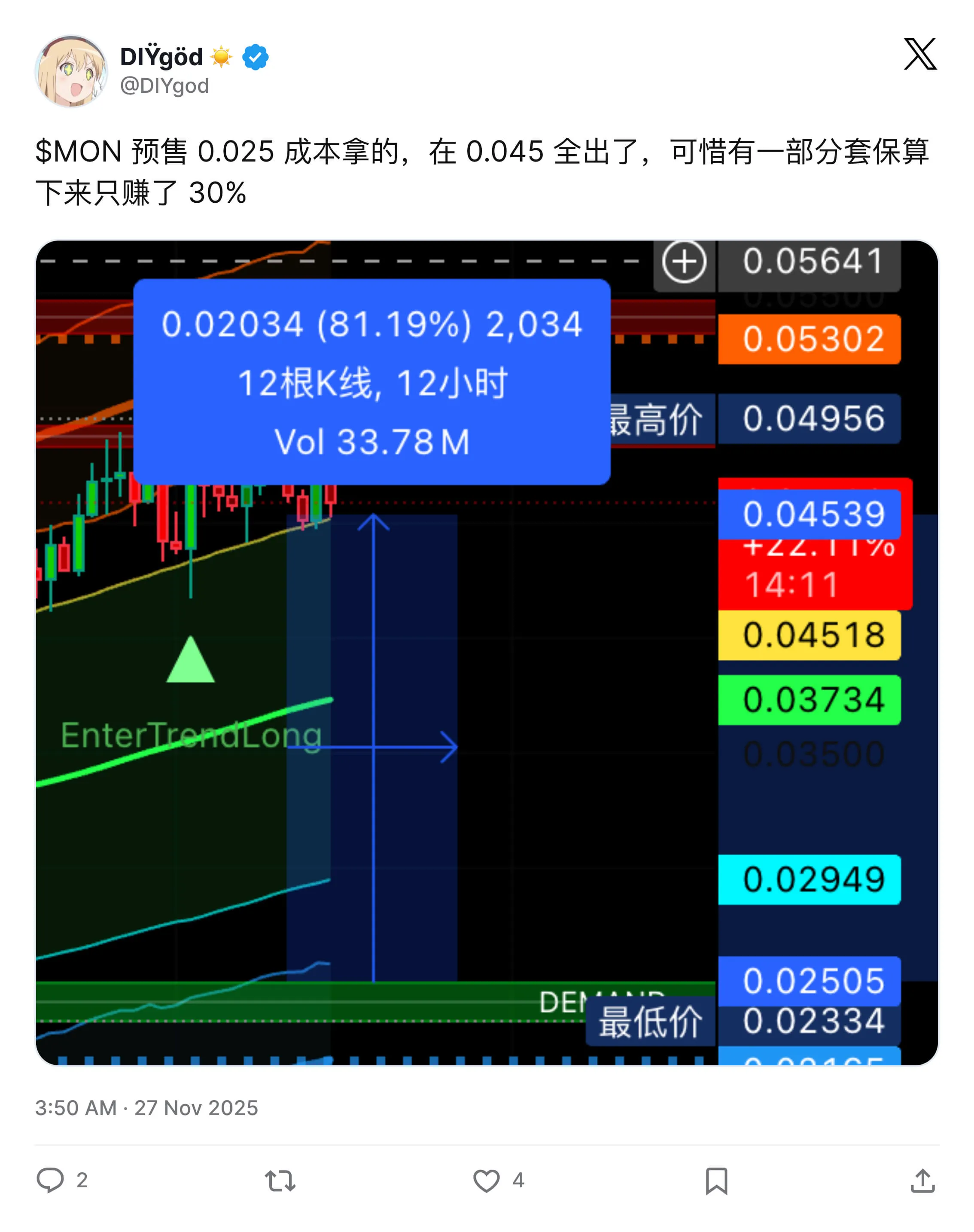
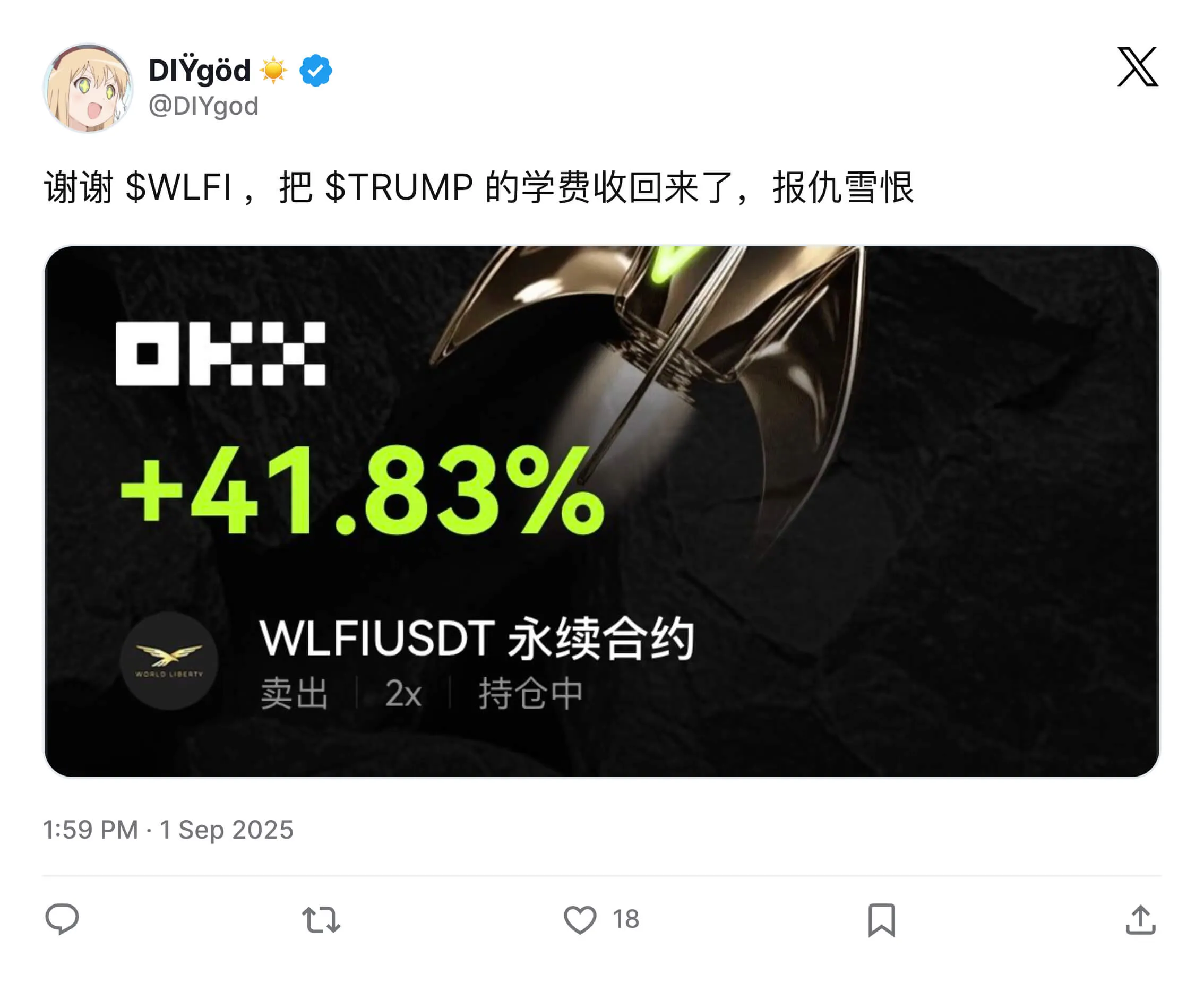
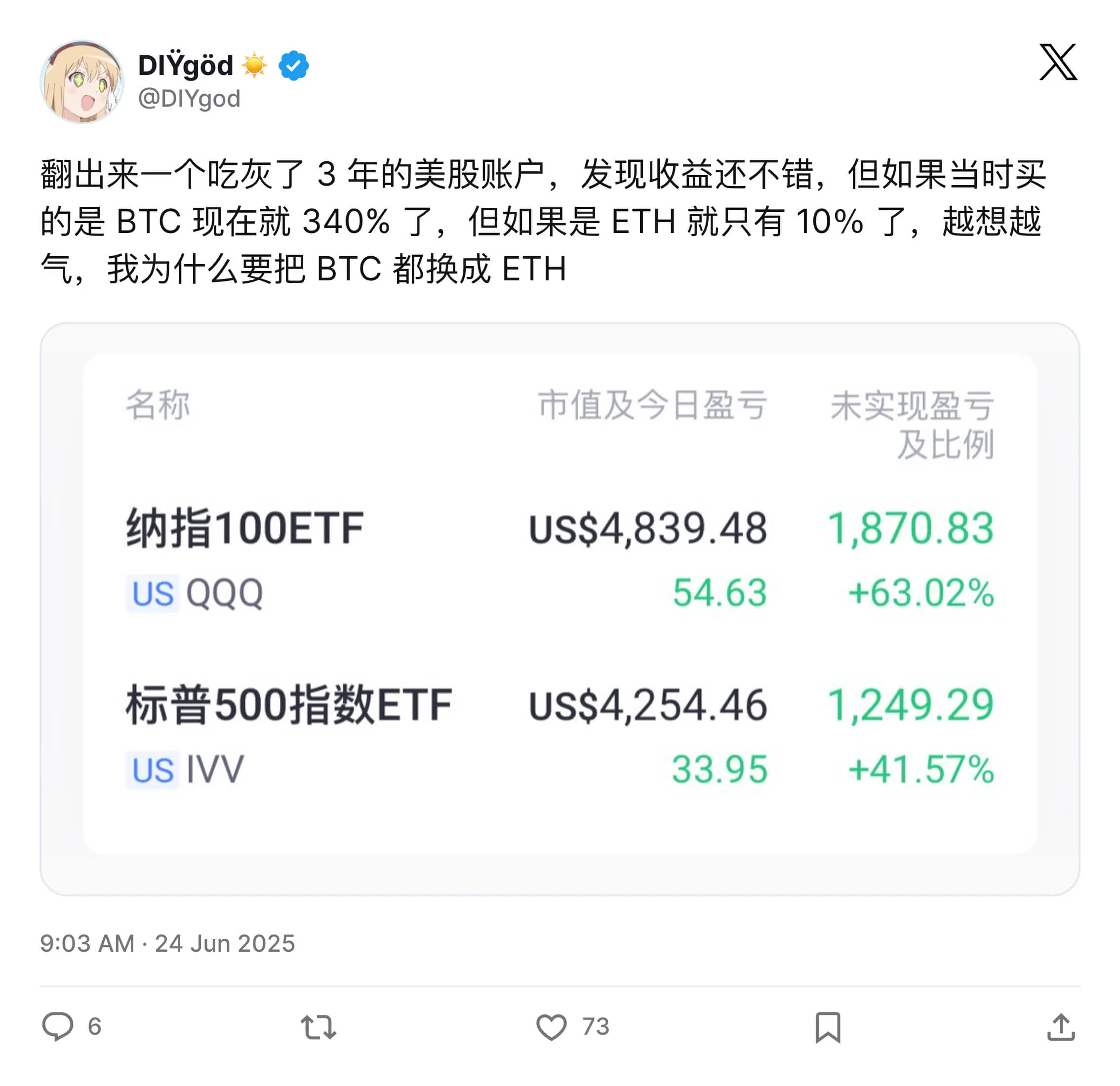
Some memorable moments:

Outdated Open Source Mindset
Compared to the rapid shift in my attitude toward money, my views on technology and products didn’t turn as smoothly. This year’s main work was on Folo. Folo itself accomplished a lot—new mobile app, local-first architecture, AI, and more. But commercialization implementation and validation progressed too slowly. Combined with some real-world factors, we later had to make some hasty pivots. A lot of technical investment ended up looking like self-entertainment. Worse, there were also frustrating collaboration issues within the team, and even backstabbing from employees after they left, causing chaos. It even more dramatically uncovered other behind-the-scenes bad actors and a string of laughable conspiracy stories—I won’t get into details here.

Looking back, the delayed commercialization and hasty pivot weren’t coincidental—they were deeply rooted from the start in my and the team’s open-source thinking and engineering-first mindset.
Open source itself is of course fine. Open source is a great way to pursue hobbies, do side projects, and learn new things. The problem lies in mixing too much open-source thinking into a product that needs a rigorous business loop—it usually doesn’t end well. Because open source defaults to passion-driven and community-driven with negative revenue, slow long-term polishing, while business defaults to capital-driven, rapid trade-offs with limited resources.
If we concretize this mismatch, it manifests in many ways. For example, the product lacks rigorous preparation, direction is more likely to waver; users include many with low willingness to pay, making later pivots harder; too much weight given to niche feedback, product easily pulled toward niche directions; team recruitment and management too loose, insufficient execution, serious internal friction; wasting enormous time chasing perfection in technical and design details that nobody cares about, paying huge opportunity costs, and so on.
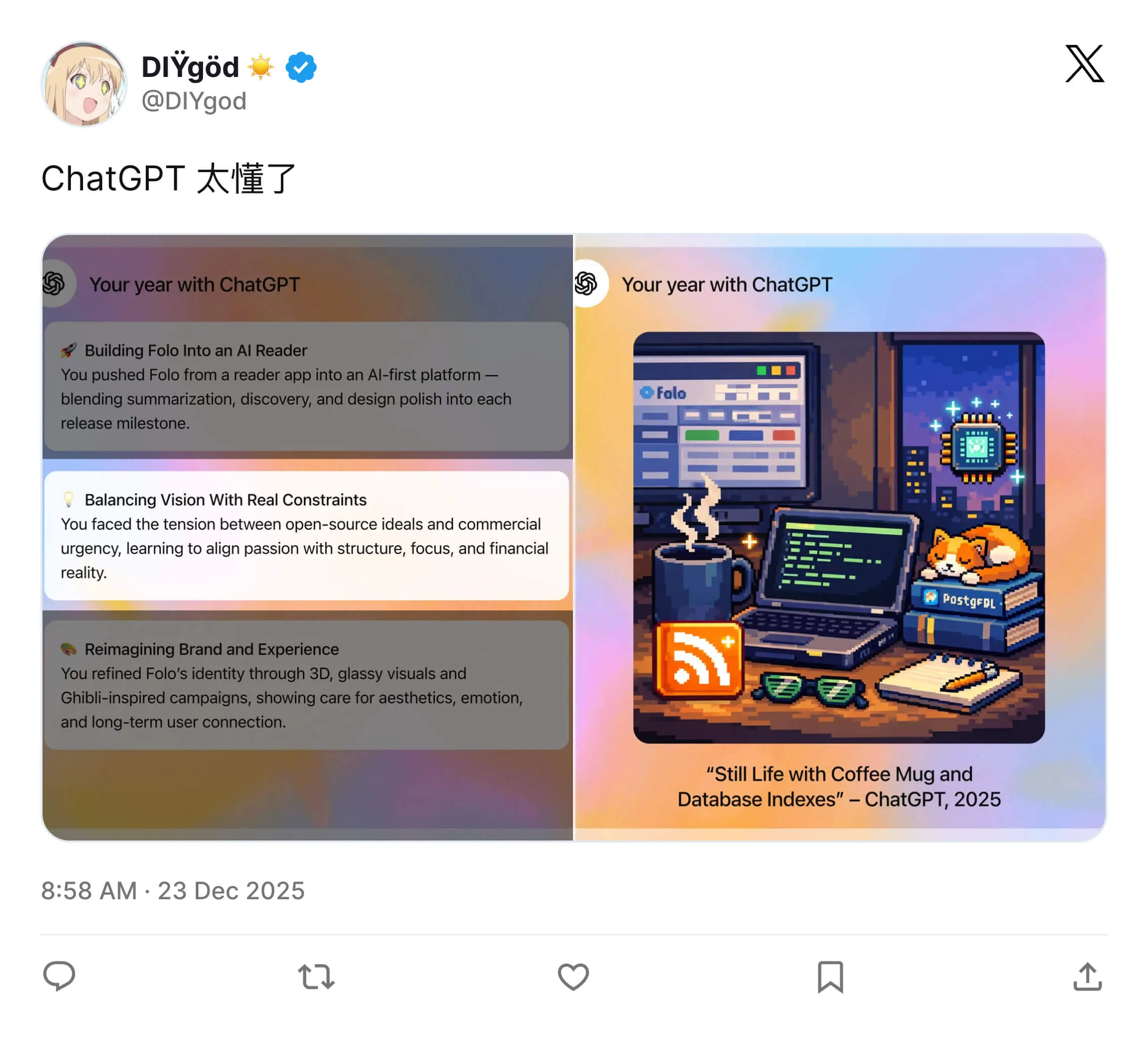
For me, this year was like a long-overdue business fundamentals lesson. It doesn’t oppose ideals, nor does it oppose open source, but it forced me to admit that ideals need boundaries, passion needs a cost sheet, and choices must be accountable for their outcomes. Saying all this sounds mundane, but that’s just reality.
And even setting aside reality, within the open-source ivory tower, for open-source projects driven mainly by personal interest, the author’s passion is often worn down bit by bit during long, lonely maintenance—and by freeloaders and entitled users who feel no shame asking for more.
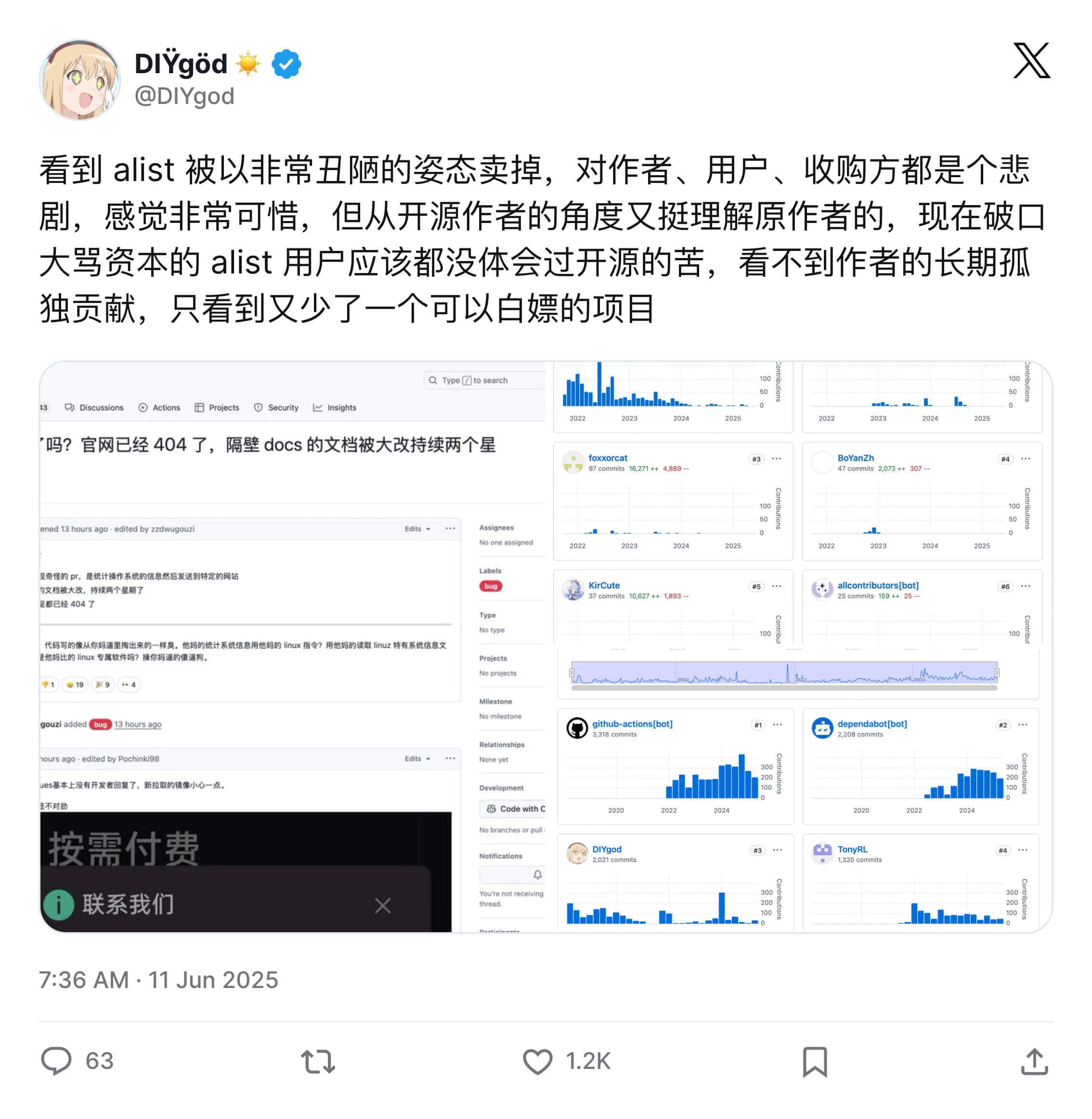
After experiencing these things, I started to re-examine what open source truly means to me. My attitude toward open source has shifted from absolute advocacy to a complex emotion mixed with wariness and even mild PTSD. Going forward, my investment in open source will probably be more grounded in reality, restrained, and selective.
Cyber Life
Let’s lighten up. As per tradition, here’s a summary of this year’s books, shows, games, and apps.
Apps
App of the year is of course Folo.
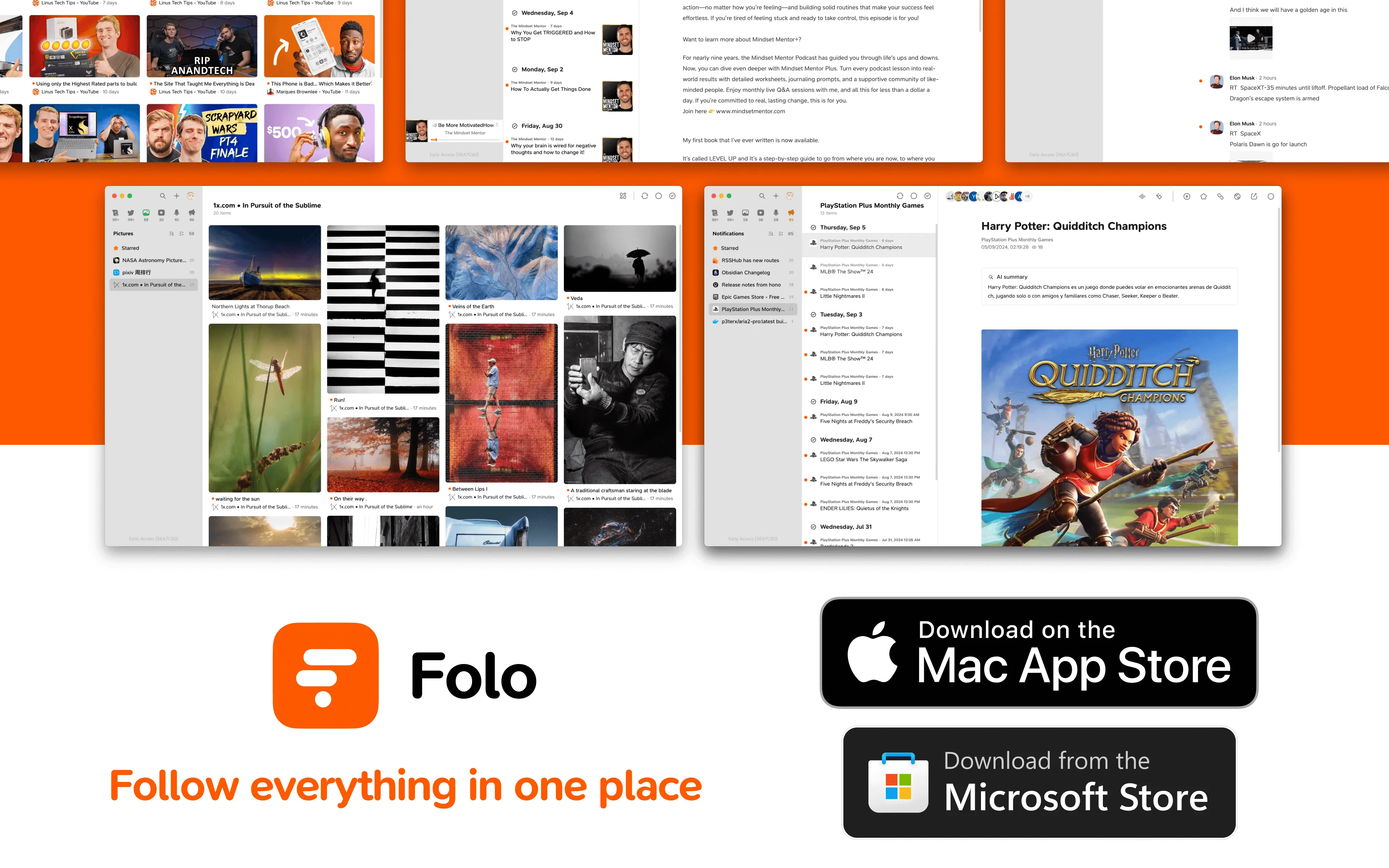
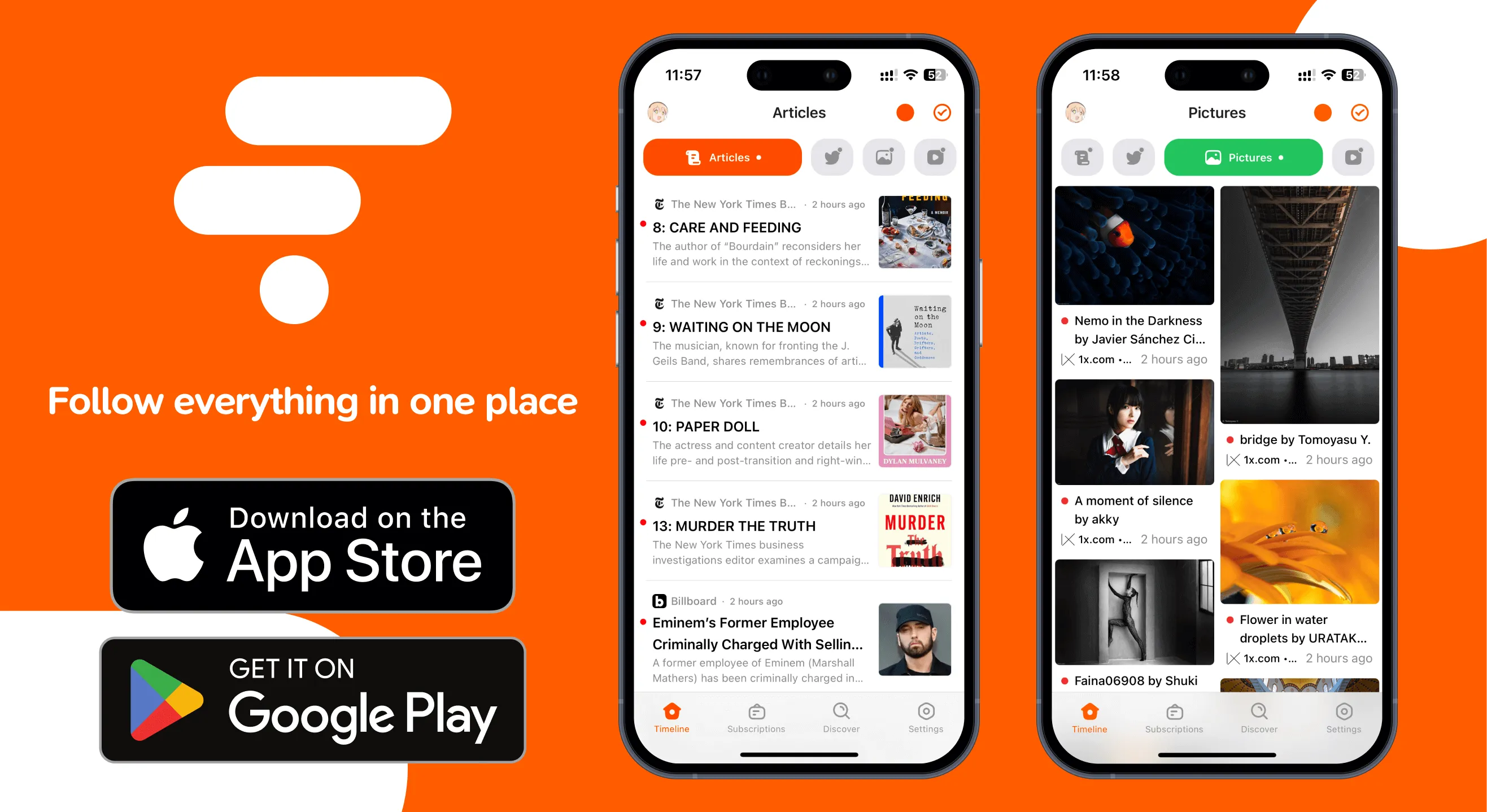
It consumed most of my time and energy this year and left some painful memories. But if you have stable reading habits and the ability to manage information sources, Folo remains the best information aggregation app in my mind.
Desktop apps (by the way, AI apps make up a high proportion—6/13):
- Notion Calendar: Calendar client, experience is noticeably better than Apple Calendar, UI is cleaner.
- Spark: Email client. Used Spark V2 for a long time. V3 was too bad when it first came out, switched to Mimestream; but Mimestream is too expensive ($50/year), used it for a year then switched back to Spark, found it’s matured a lot now. Though default settings are still anti-human, most can be changed in options.
- TickTick: To-do list.
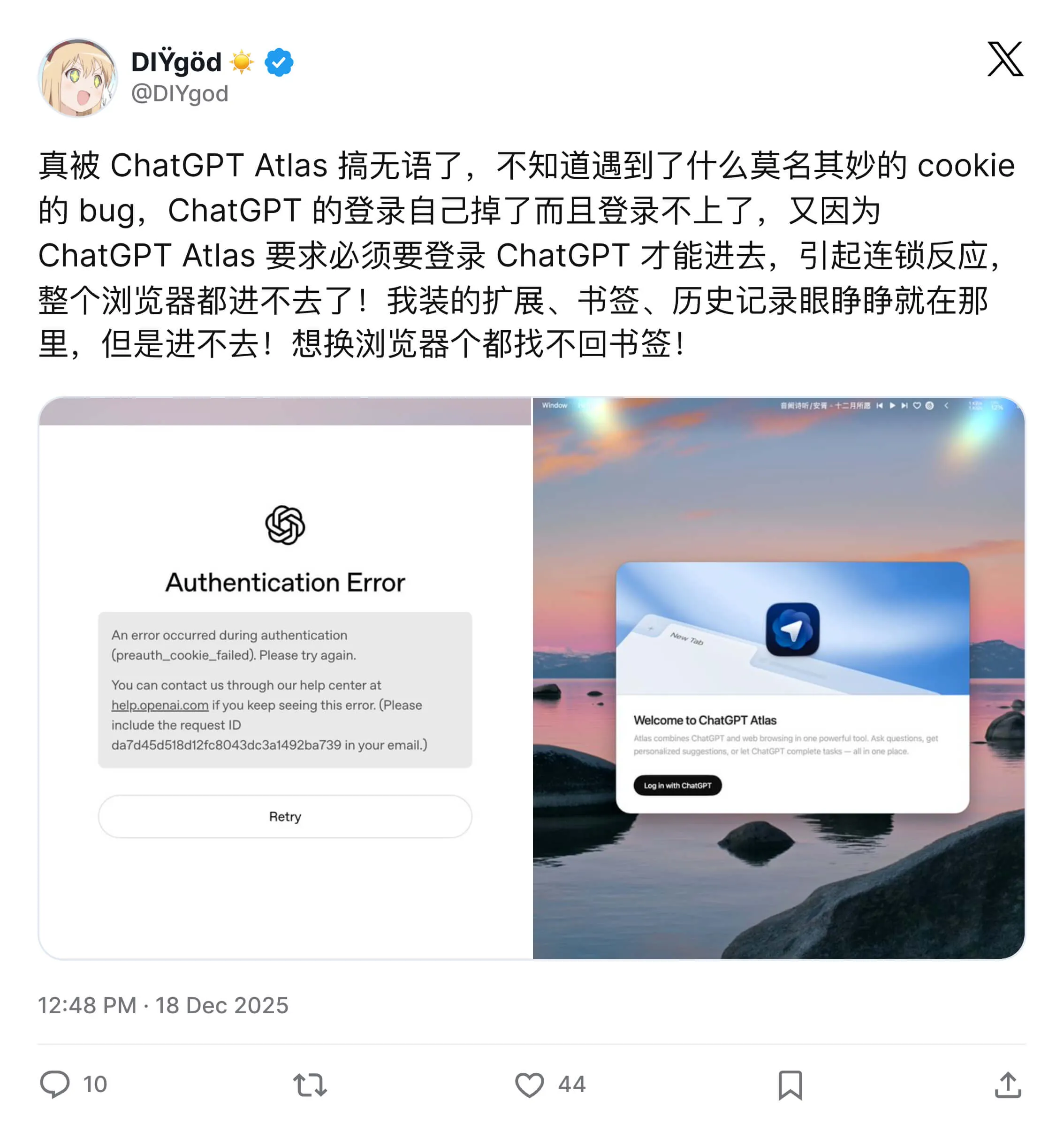
ChatGPT Atlas: Browser. Can only be called the temporarily optimal solution; still many problems, especially DevTools are terrible. I feel like I should go back to basics: if Chrome officially supports vertical tabs, I’ll switch back to Chrome.- Chrome: Browser. Arc → Dia → ChatGPT Atlas → Chrome. Just after finishing this year-end summary, Atlas self-destructed, so I went back to basics.
- Warp: Terminal.
- Folo: Reader I made myself.
- VSCode: Code editor. VSCode → Cursor → after Codex came out, switched back to VSCode.
- Notion: For journaling. Used Notion years ago, then saw Obsidian had a better plugin ecosystem and switched to Obsidian (see Obsidian-based Life Recording System), but later found none of that matters—writing experience determines whether you want to write and how much you write. Obsidian is limited by Markdown capabilities and can never catch up to Notion. Plus Notion keeps investing more in AI, so I switched back.
- Plex: Media server, watching movies, TV shows, and anime on my NAS.
- NetEase Cloud Music: Logically, being overseas I should use Spotify, but Spotify’s recommendations really don’t suit my taste. NetEase Cloud Music doesn’t provide overseas service due to licensing, so I can only run UnblockNeteaseMusic as a proxy on my NAS—very troublesome.
- Telegram / Discord / Slack / WhatsApp / WeChat: Instant messaging, increasingly fragmented.
- OneKey: Cold wallet, leagues ahead in experience (mentioned in the previous section too).
- Eagle: Image management.
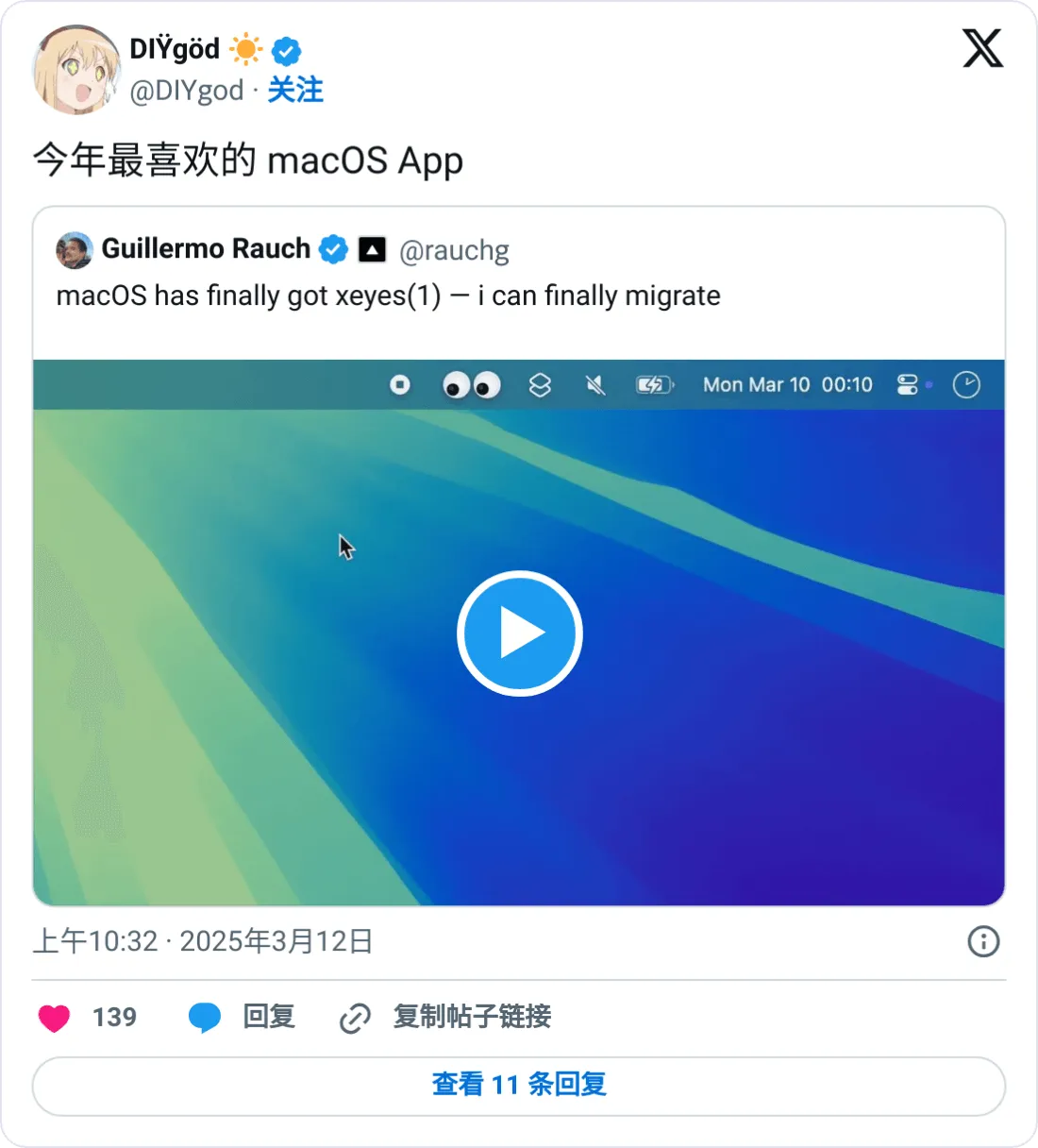
- Googly Eyes: A pair of eyes.
Services running on my NAS:
- AdGuard Home: Ad blocking + faster DNS for home network.
- Fava: Bookkeeping, see Ancient Artifact Beancount: The Ultimate Double-Entry Bookkeeping Solution for the Crypto & AI Era.
- Gitea: Hosting code that isn’t suitable to be public.
- Home Assistant: Smart home control. Haven’t done much smart home stuff since moving frequently. Mainly used for backup device charging management and scheduled device on/off.
- homepage: Too many services, using one portal to manage them centrally.
- Nginx Proxy Manager: Assigning domains to various services for easier access.
- OpenList: Automatically downloading content saved in Aliyun Drive, PikPak, etc. to NAS.
- UnblockNeteaseMusic: Making NetEase Cloud Music work overseas.
- Uptime Kuma: Monitoring service availability.
- ANI-RSS: Automatically downloading subscribed anime for seasonal tracking.
- bili-sync: Downloading Bilibili favorites to NAS.
Electronics
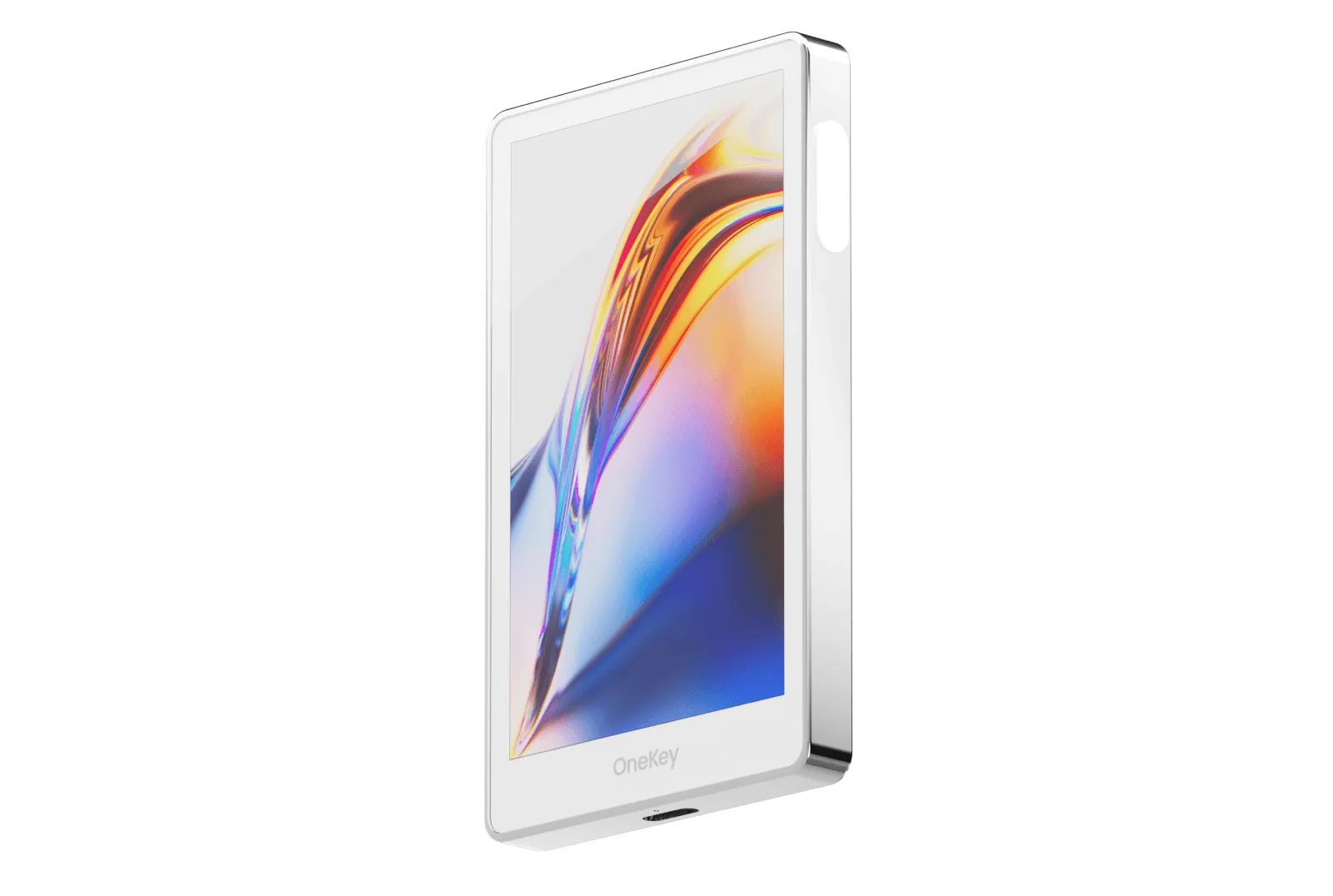
Electronic product of the year is OneKey Pro.
-
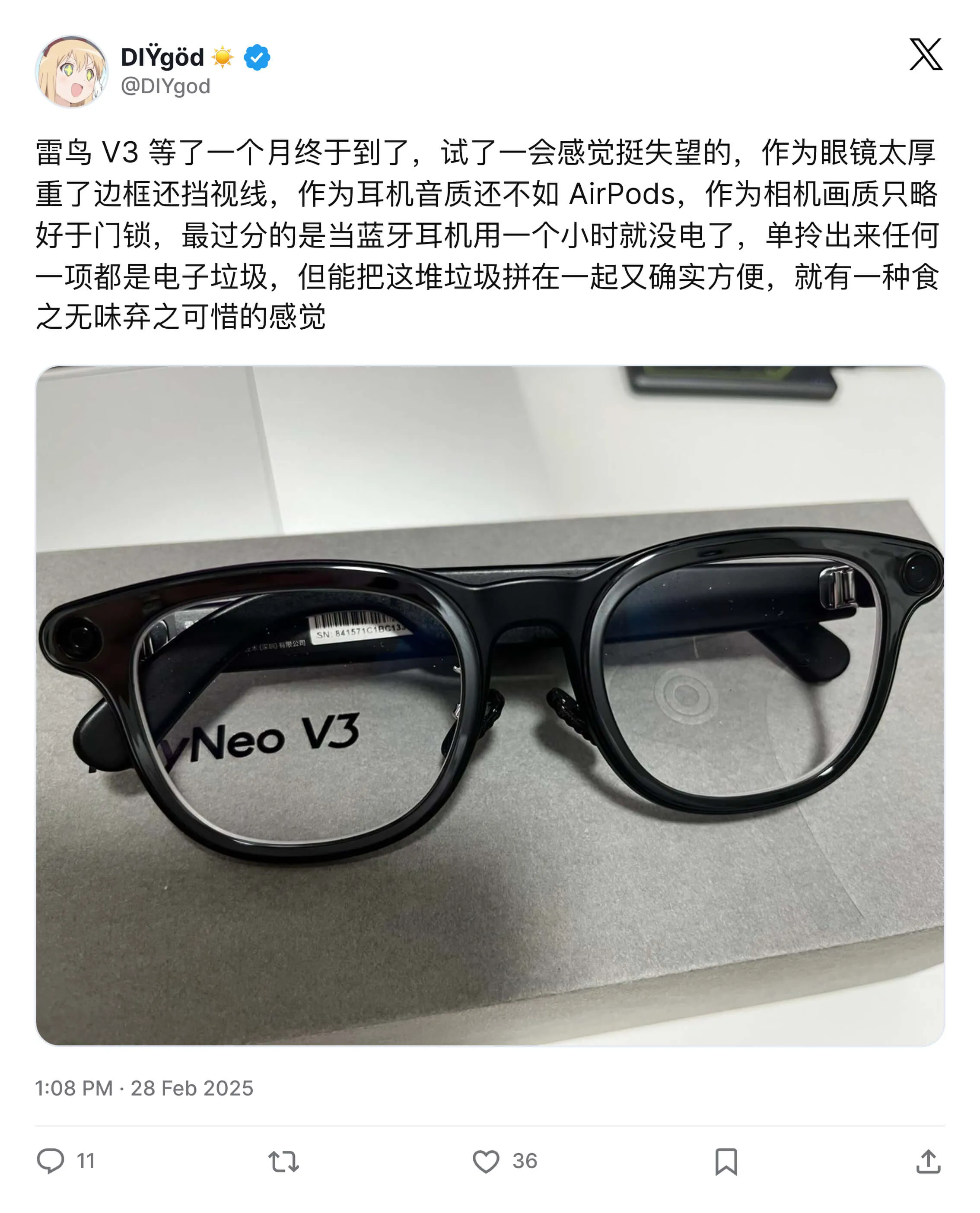
Thunderbird V3 was a bit disappointing. I’ve always been interested in Meta’s AI glasses. I thought after all this time, domestic competitors would be more mature, but they’re quite lacking.

-
iPhone 13 mini has been used for over four years now, feels like it can last a few more years.

-
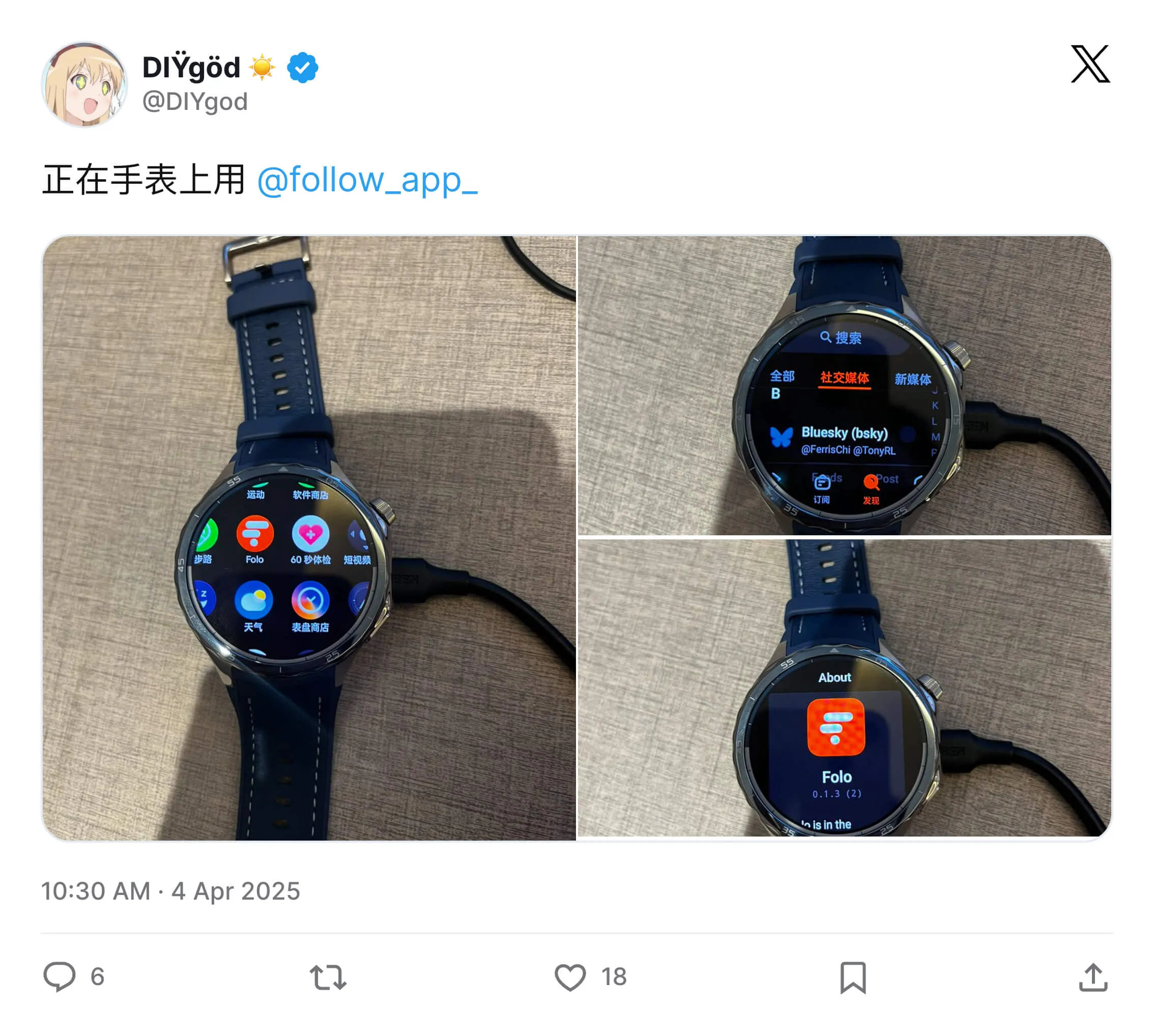
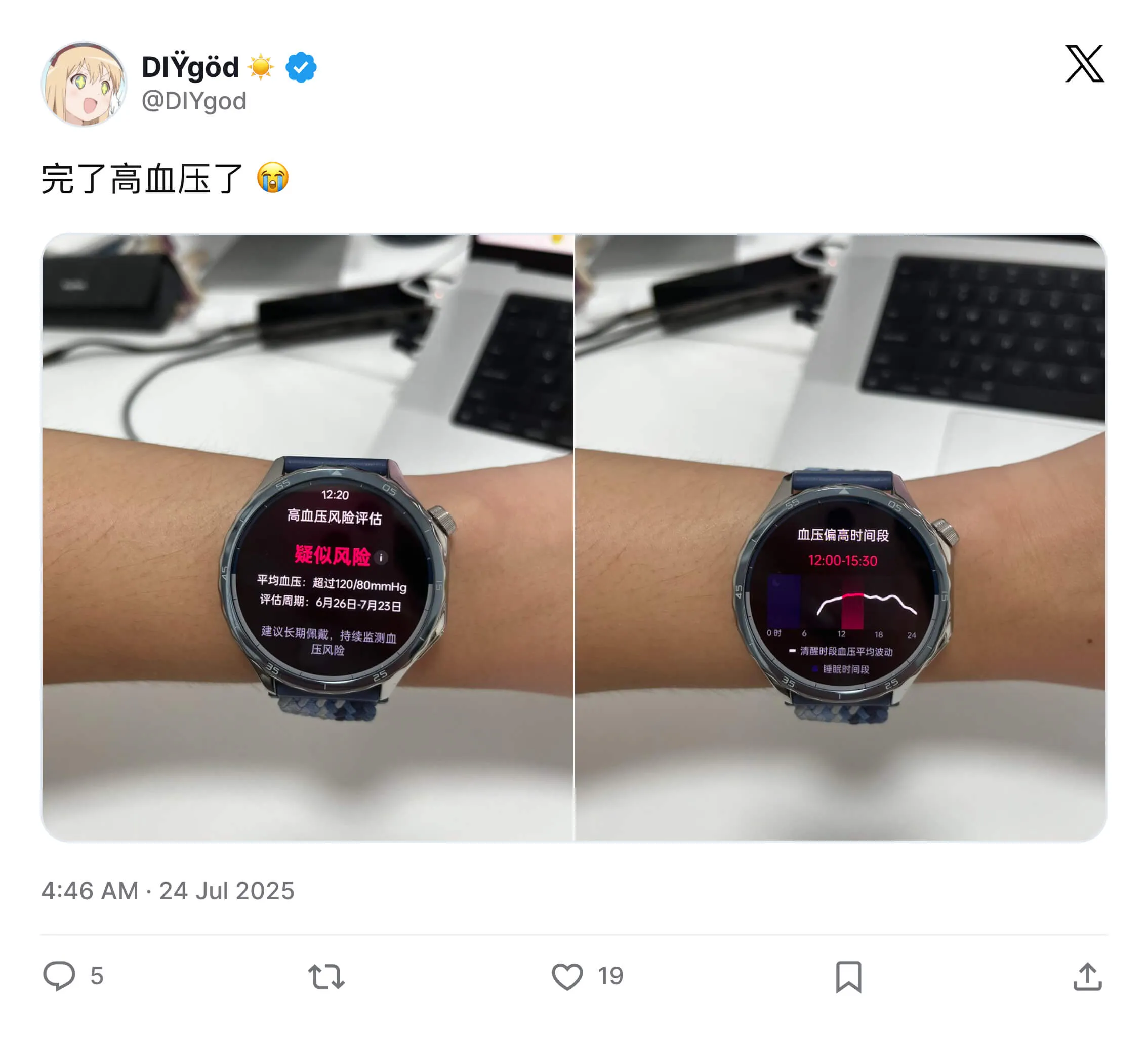
OPPO Watch X2, on the other hand, I’m quite satisfied with. Got tired of Mi Band, switched to a smartwatch with a bigger screen, very comfortable to use. It has both full smart mode and light smart mode—full smart is complete Android, light smart is like a bigger band with super-long battery life. Health features are also good, can even warn me about high blood pressure risk.
-
Also OneKey Pro and OneKey Classic 1S Pure.

Shows
Show of the year is Chainsaw Man: Compilation Film.

The pacing is much better than the TV version. A lot of the dragging parts were cut, making the overall viewing experience noticeably better. I really wish Demon Slayer would also release a compilation film.
Most of my time this year went to Folo, so the show count is quite meager.
Anime:
- Chainsaw Man: Reze Arc (second favorite, Reze is great)
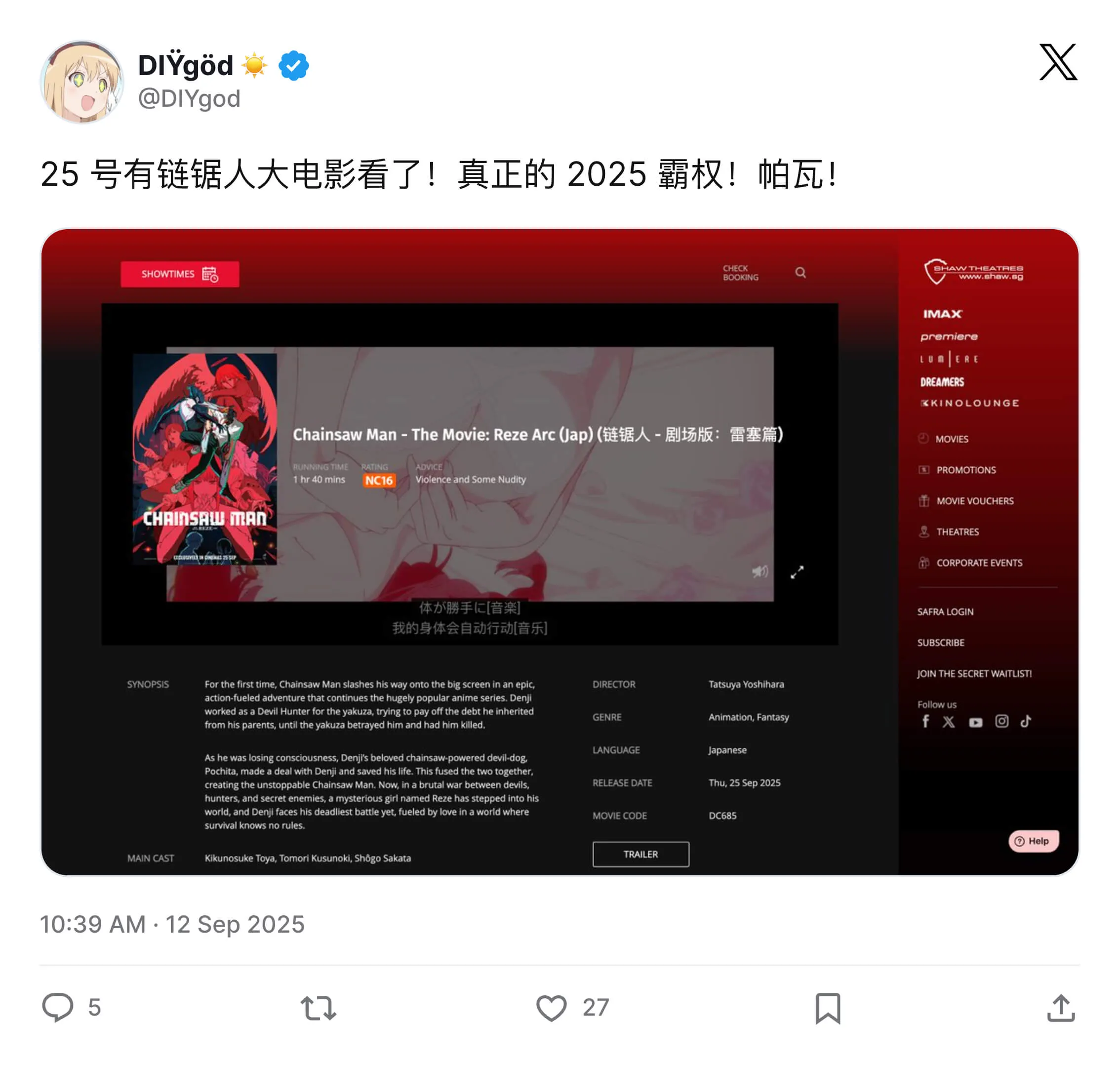
- Chainsaw Man: Compilation Film
- Demon Slayer: Infinity Castle Arc - Chapter 1: Akaza Returns (went to the theater specifically to see it. Maybe my expectations were too high, was a bit disappointed; didn’t feel much about Akaza)

- Takopi’s Original Sin (favorite among new anime)

- Dusk Maiden of Amnesia
- Spy × Family Season 3
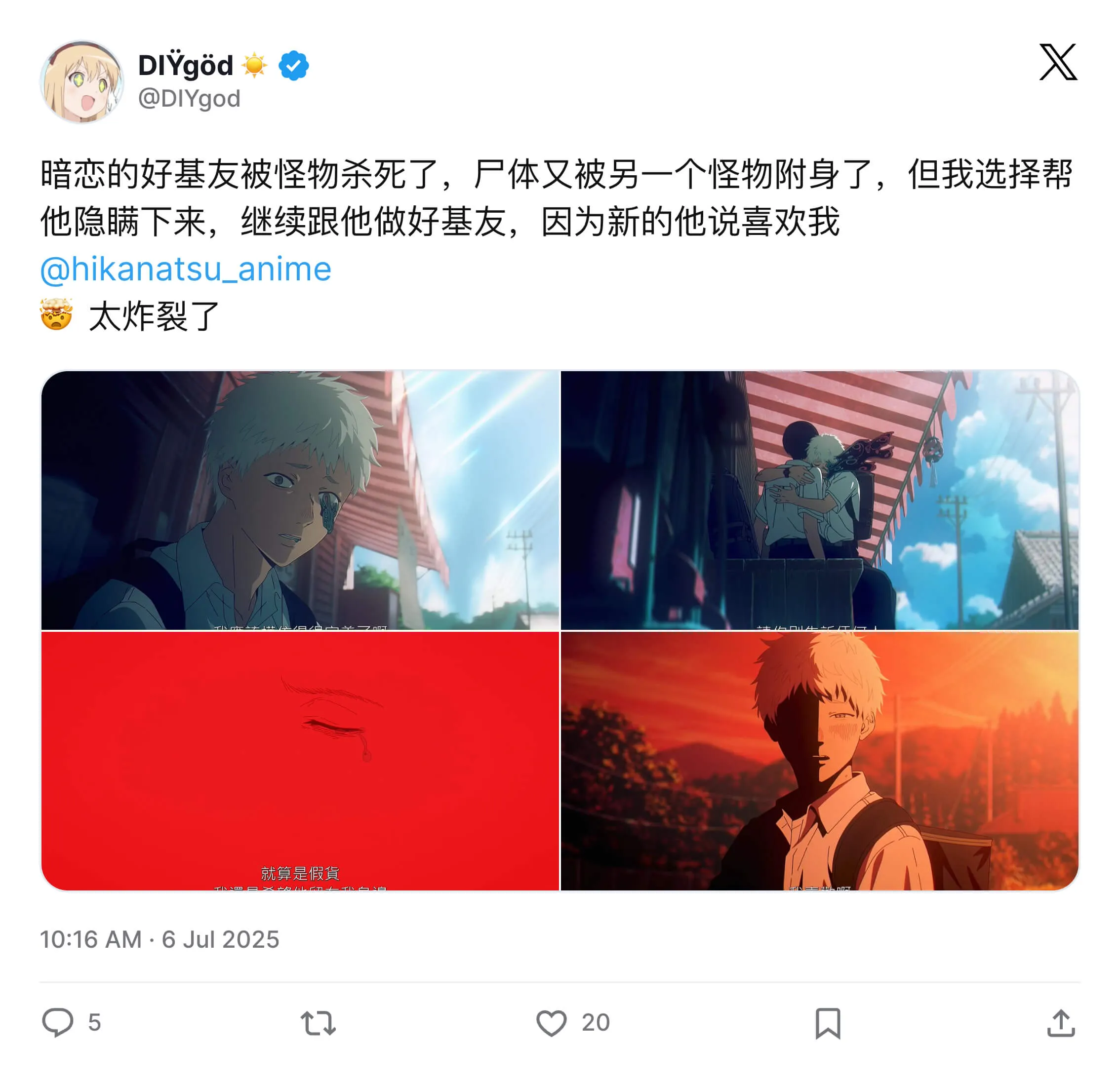
- The Summer Hikaru Died
- Ruri’s Gem
- Apocalypse Hotel
TV Shows:
- The Walking Dead Seasons 1-11
- Stranger Things Seasons 1-4 (saw Stranger Things themed haunted house at Universal Studios Singapore Halloween event, thought I hadn’t watched it, so I caught up, then discovered I had already watched it three years ago…)
- Black Mirror Season 7
- Love, Death & Robots Season 4
- Shameless Seasons 1-3
- Chang’an’s Lychees
- The Last of Us Season 2
Movies:
- Little Monster from Langrang Mountain
- Ne Zha 2: The Devil Child Stirs Up the Sea
Books and Games
Didn’t finish a single book this year, skipping.
Played It Takes Two with my wife for a few hours, haven’t finished yet. Also played Honor of Kings for a few days. Nothing else.
Other Notable Things
Health
Last year’s physical exam revealed very poor liver indicators—continuing like this might lead to major problems. Afterward, my wife mandated I be in bed by 10 PM. My schedule has become much more regular, now roughly sleeping at midnight and waking at 8 AM. But I haven’t had a physical exam this year, so I don’t know if the indicators have improved.
After Haha was born, we have a helper cooking at home, so diet is healthier. I also quit carbs, using soy milk as my staple, and lost 10 jin (~5 kg), but still 10 jin away from standard weight. Exercise is still almost nonexistent, but daily stroller walks mean I get a few more steps.
On the other hand, the decline of bodily functions is becoming increasingly obvious. Mainly manifested in decreased energy and known weak points. Plantar fasciitis, cervical spondylosis, knee pain, periodontitis—all these old problems have worsened. Energy is nowhere near what it used to be. This year I started relying on external forces (caffeine, taurine) to maintain work efficiency, but this also led to dependency. When I tried to stop taking taurine, I got severe headaches that could only be relieved with painkillers.
Living
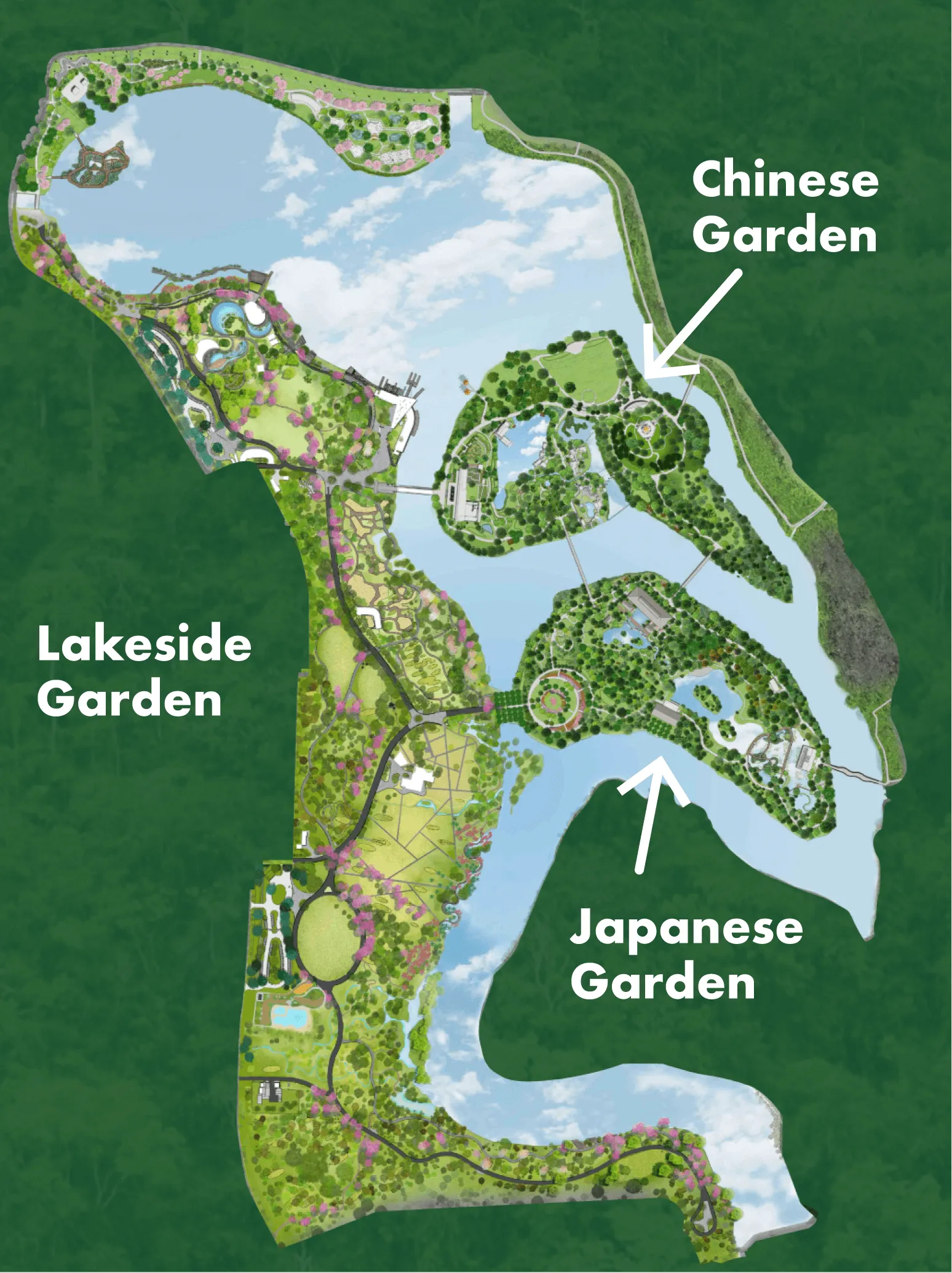
After Haha joined the family, home became extremely cramped, so we moved to a bigger place, from Singapore’s Queenstown to the more remote Jurong West. Because it’s more remote but more spacious, rent is actually cheaper, and the natural environment is better. There’s also a huge national park called Jurong Lake Gardens nearby, great for stroller walks.
Travel
My wife was going stir-crazy and nearly getting depressed during mid-pregnancy, and the middle period is relatively suitable for going out, so we hurried to arrange two relaxing destinations.
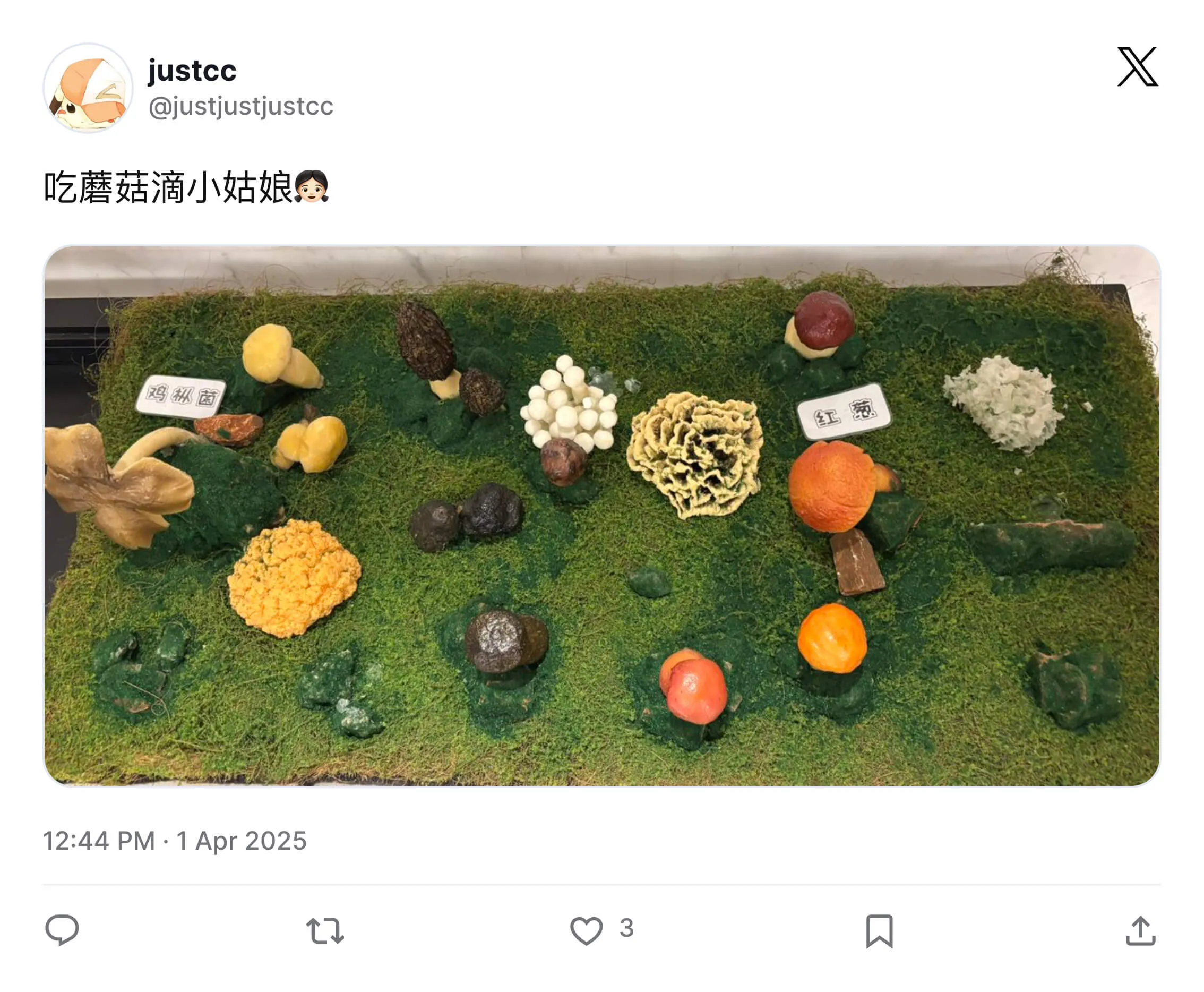
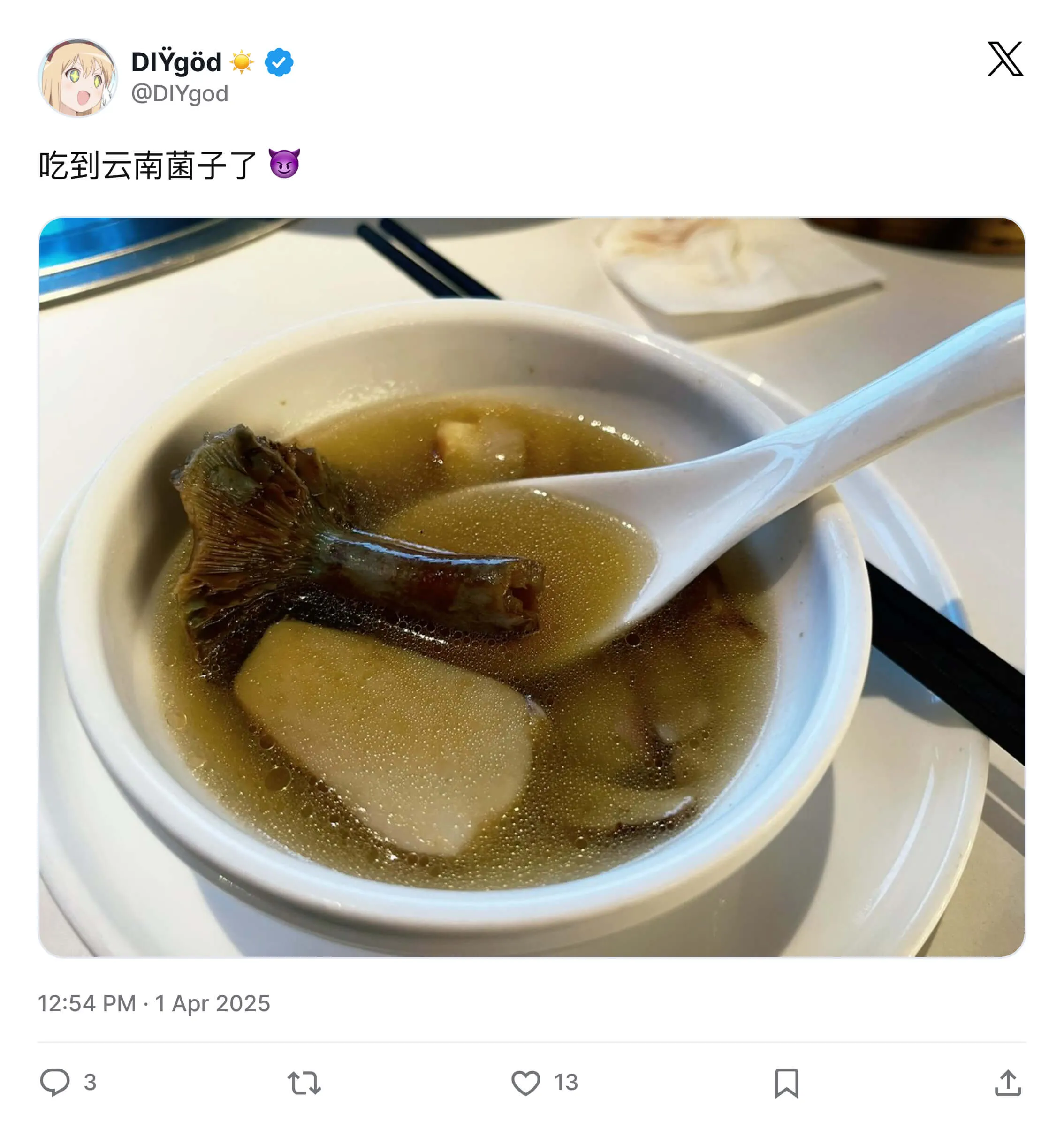
Dali’s theme was food. We ate tons of mushrooms. The mushroom soup was incredibly savory, though there’s genuine risk. Before eating, the restaurant even takes a sample—if you get poisoned, you bring the sample to the hospital with you.
Singapore doesn’t have as much good food.


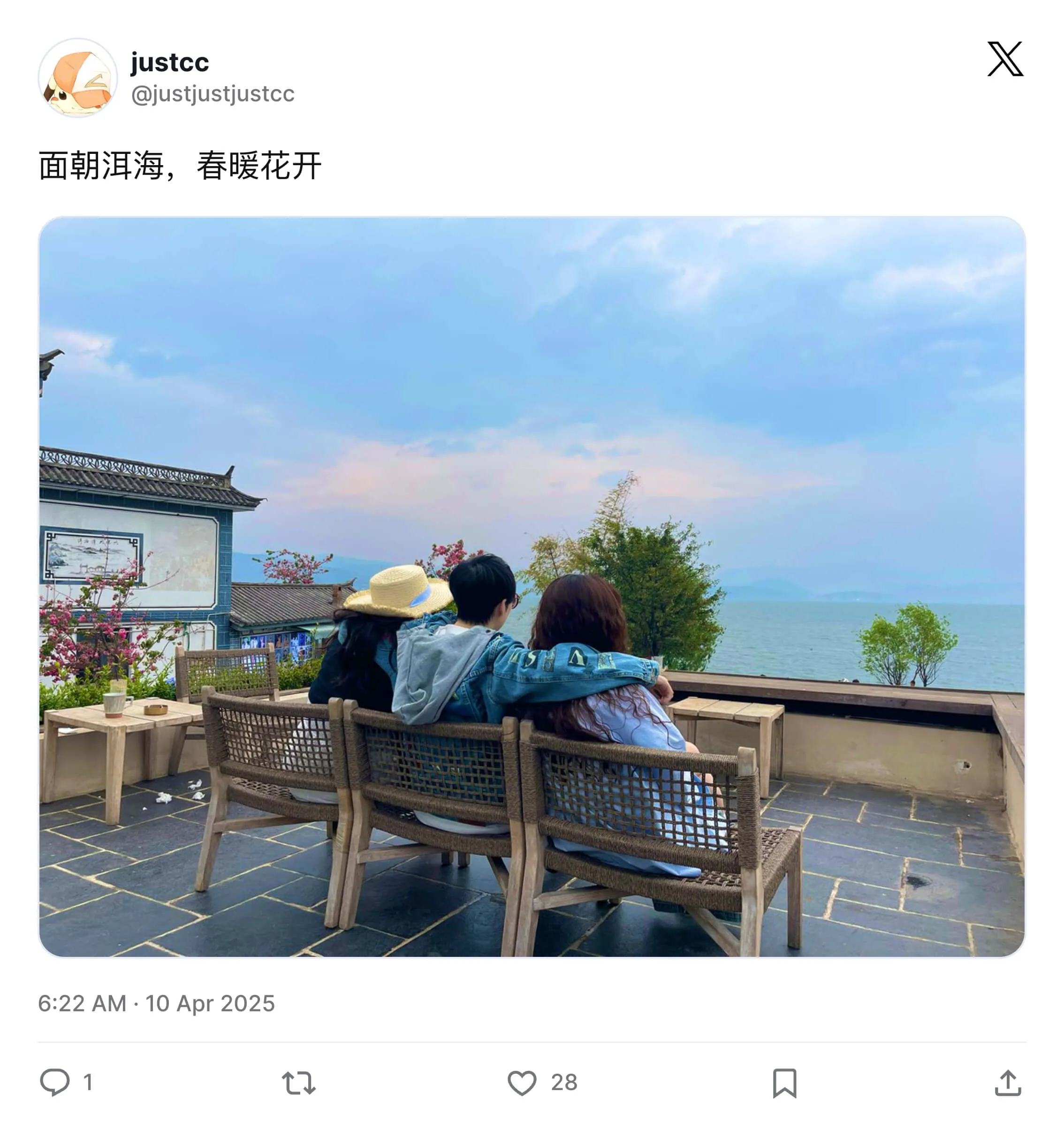
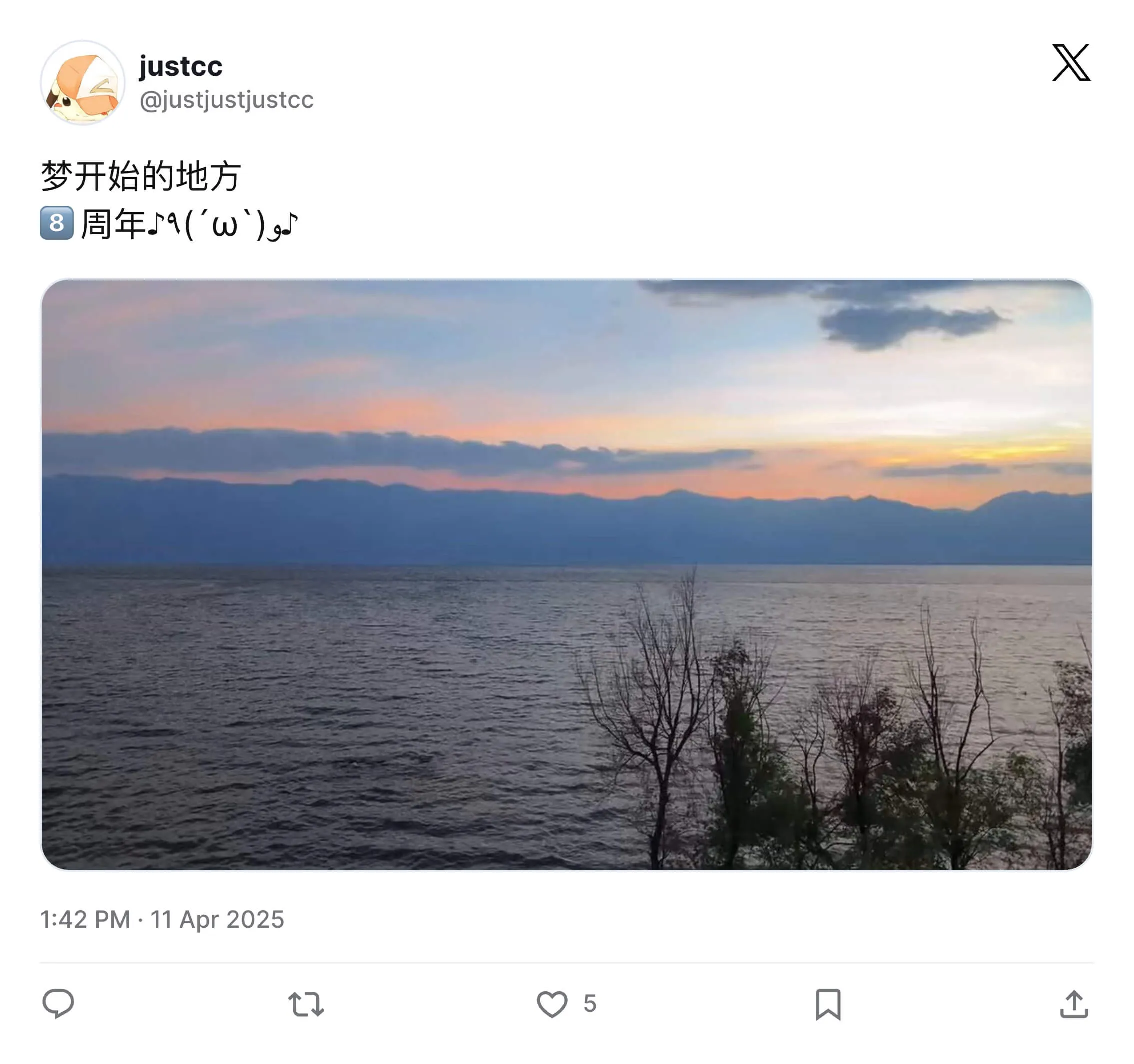
Erhai Lake has a power that makes you feel at peace. It was at Erhai that my wife and I made our private vows to each other. Returning now, we’re a family of three. Erhai has witnessed our journey from childhood friends, to lovers, to husband and wife, to parents. My love for my wife has grown deeper and more profound with time.

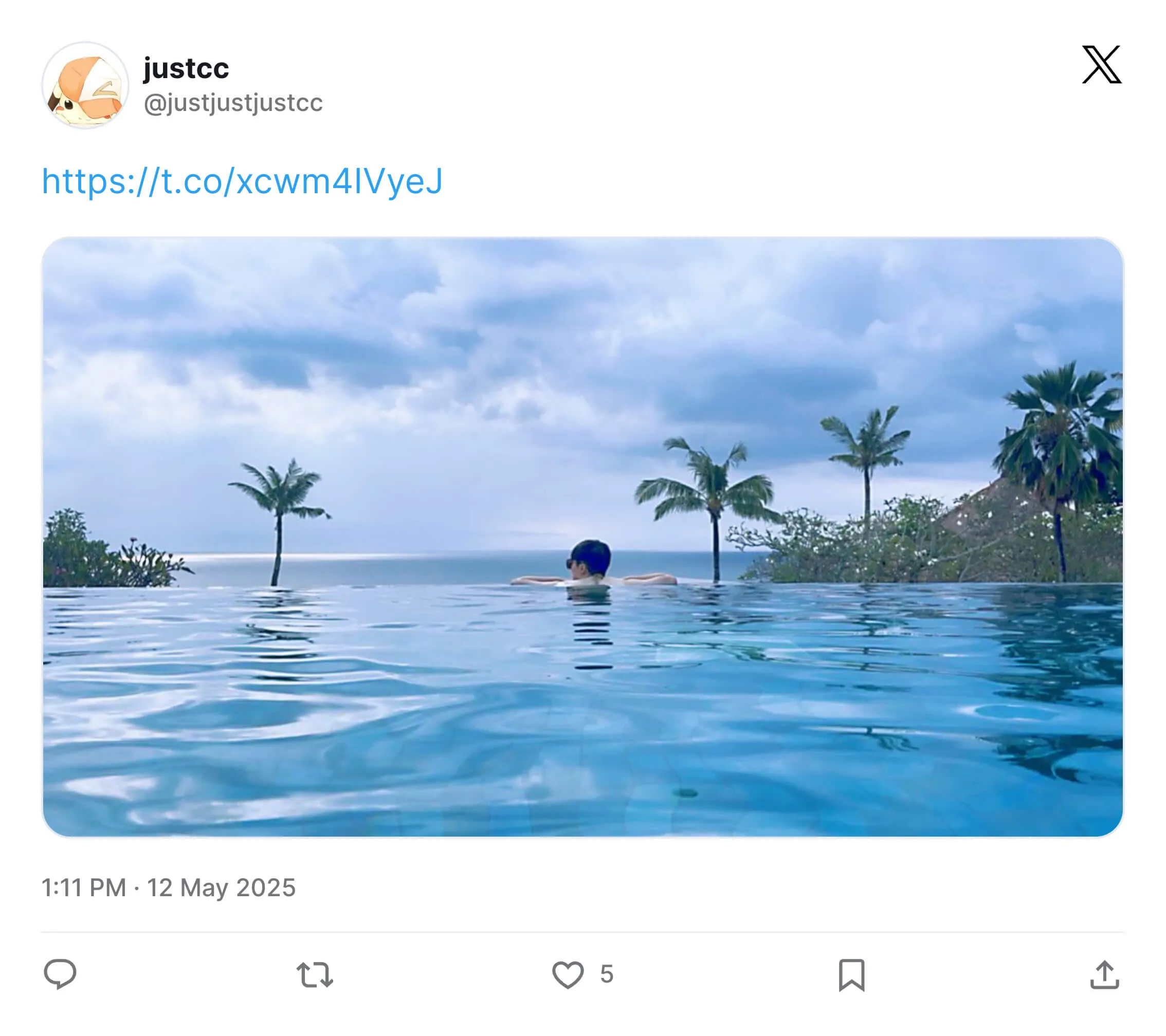
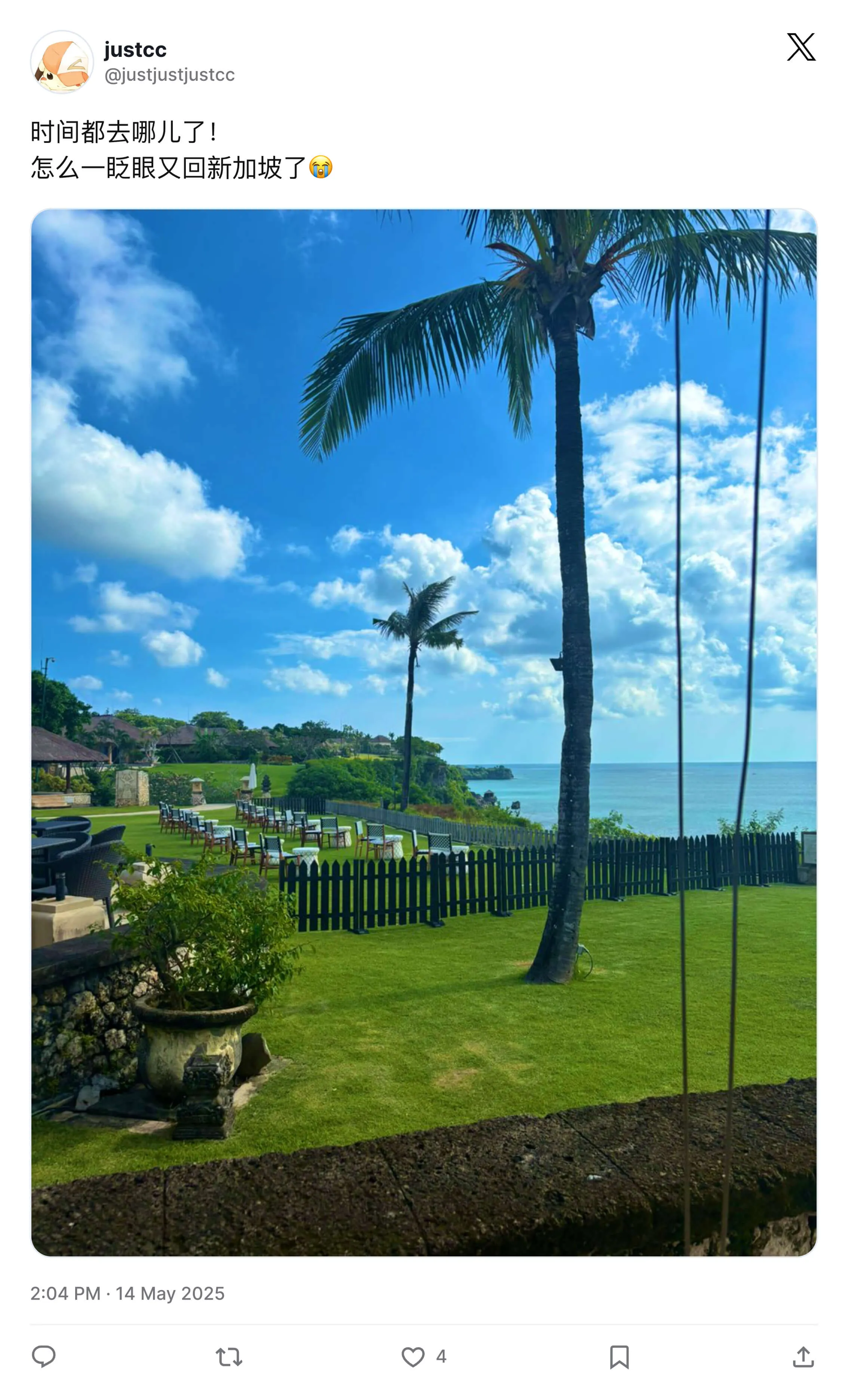
Bali was about completely unwinding. We found a luxury resort, spent every day swimming and sunbathing, letting ourselves briefly forget the daily acceleration.
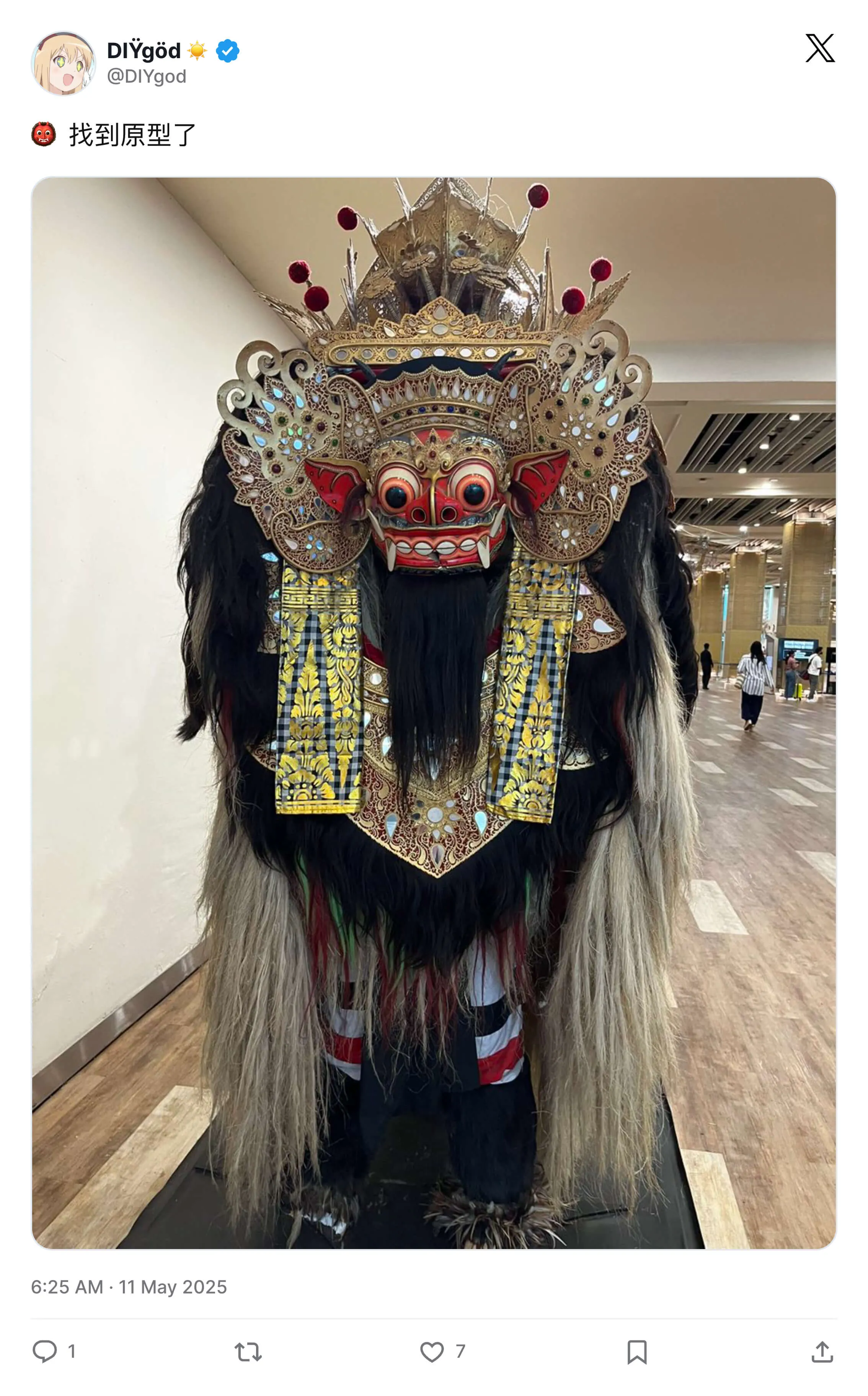
Also Halloween Horror Nights at Universal Studios Singapore. This year there were four themed haunted houses: Stranger Things, Singapore’s Most Haunted, The Way of the Weird Immortal, and Thailand’s Death Whisperers. Incredibly scary, screaming the whole time.

Interesting Little Things
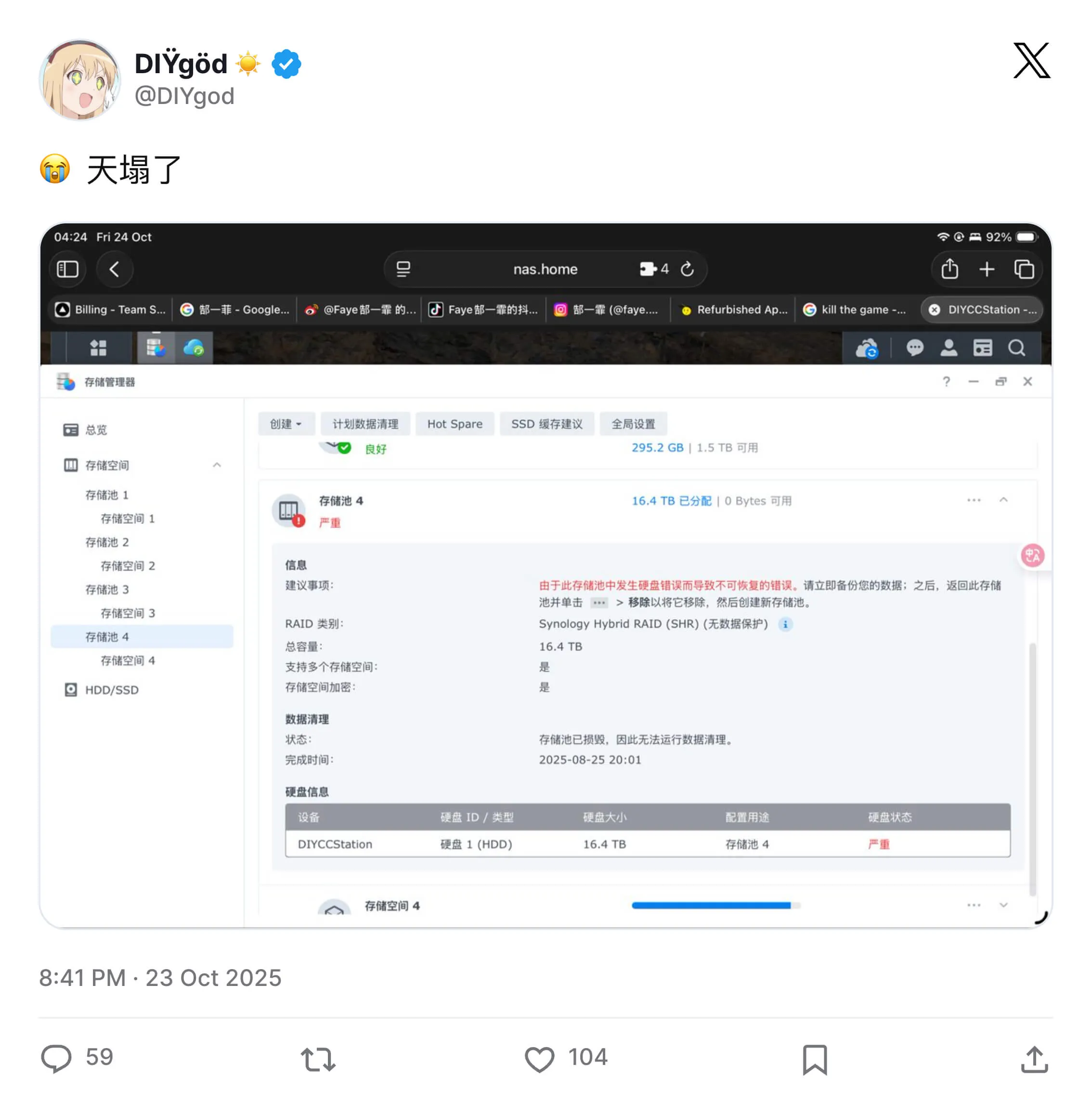
A hard drive in my NAS failed. It automatically went into read-only mode, but no data was lost.
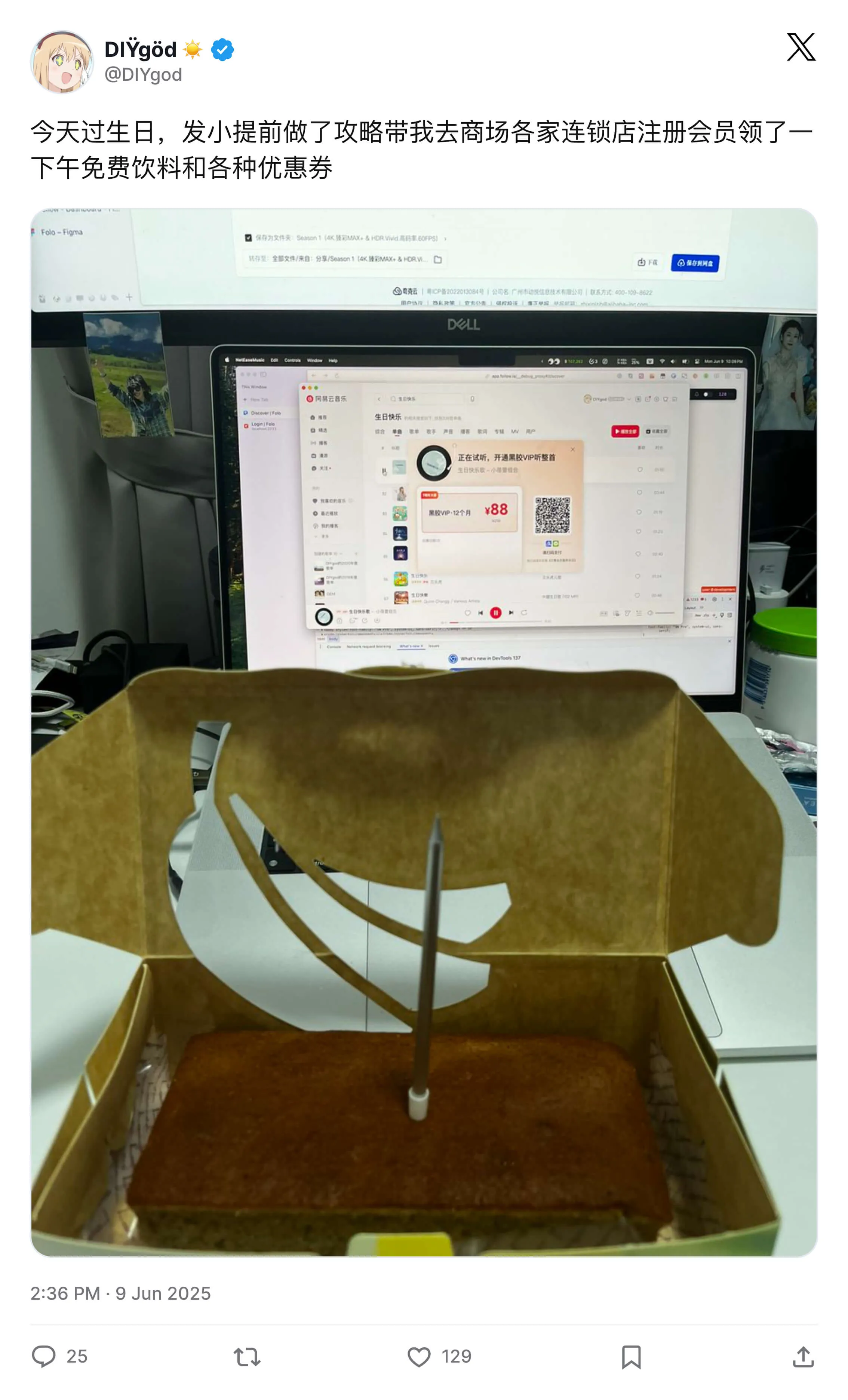
Went around collecting birthday freebies.
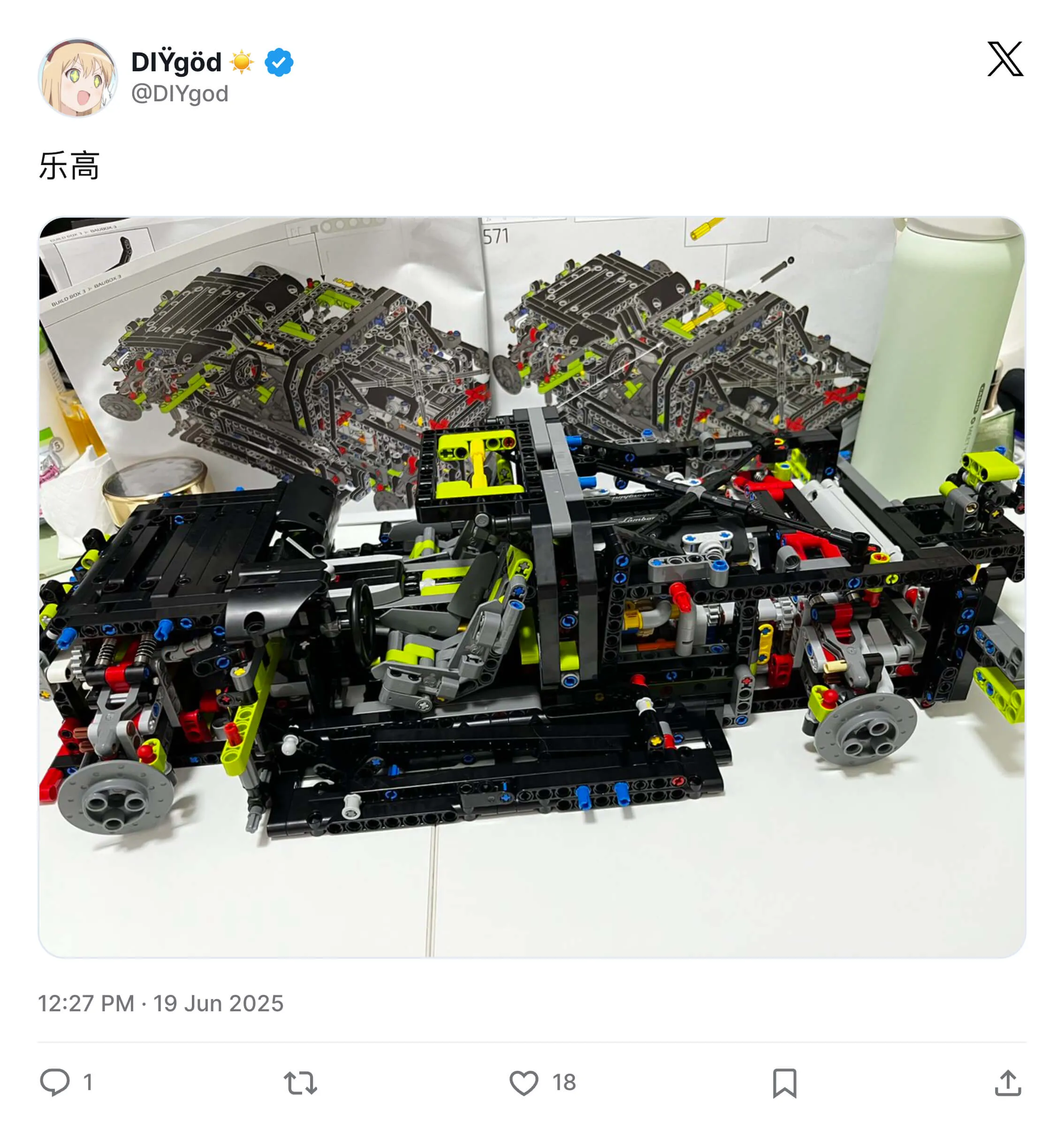
Watched my wife build Legos.
2026 Wishes
My wishes for 2026 are quite simple. I hope my body won’t remind me with more bad news. I hope I can keep making money. I hope I can get my Singapore status sooner, reducing some uncertainty about the future.